

Security electric fence systems, from energizer to alarm.
A complete electric fence system: pulse energizers rated 5,000–10,000 V with bi-polar output, one pulse per second and ≤2.5 J energy. RS485 + network control, electric fence wire and accessories supplied per metre, and alarm integration for perimeter electric fence projects.
Energizer selected by kilometre. Electric fence wire, insulators, tensioners and alarm supplied by the metre.
- Factory-tested electronics
- Specification and wiring documents
- Configuration support
- Documented warranty terms
- Pulse output
- 5–10kV
- Max pulse energy
- ≤2.5J
- Pulse interval
- 1s
- Control
- RS485+ LAN
The electric fence system: energizer, wire and alarm.
An electric fence system has three parts: the energizer creates the pulse, the electric fence wire and insulators carry it, and the alarm layer reports a short, a cut or a tamper.
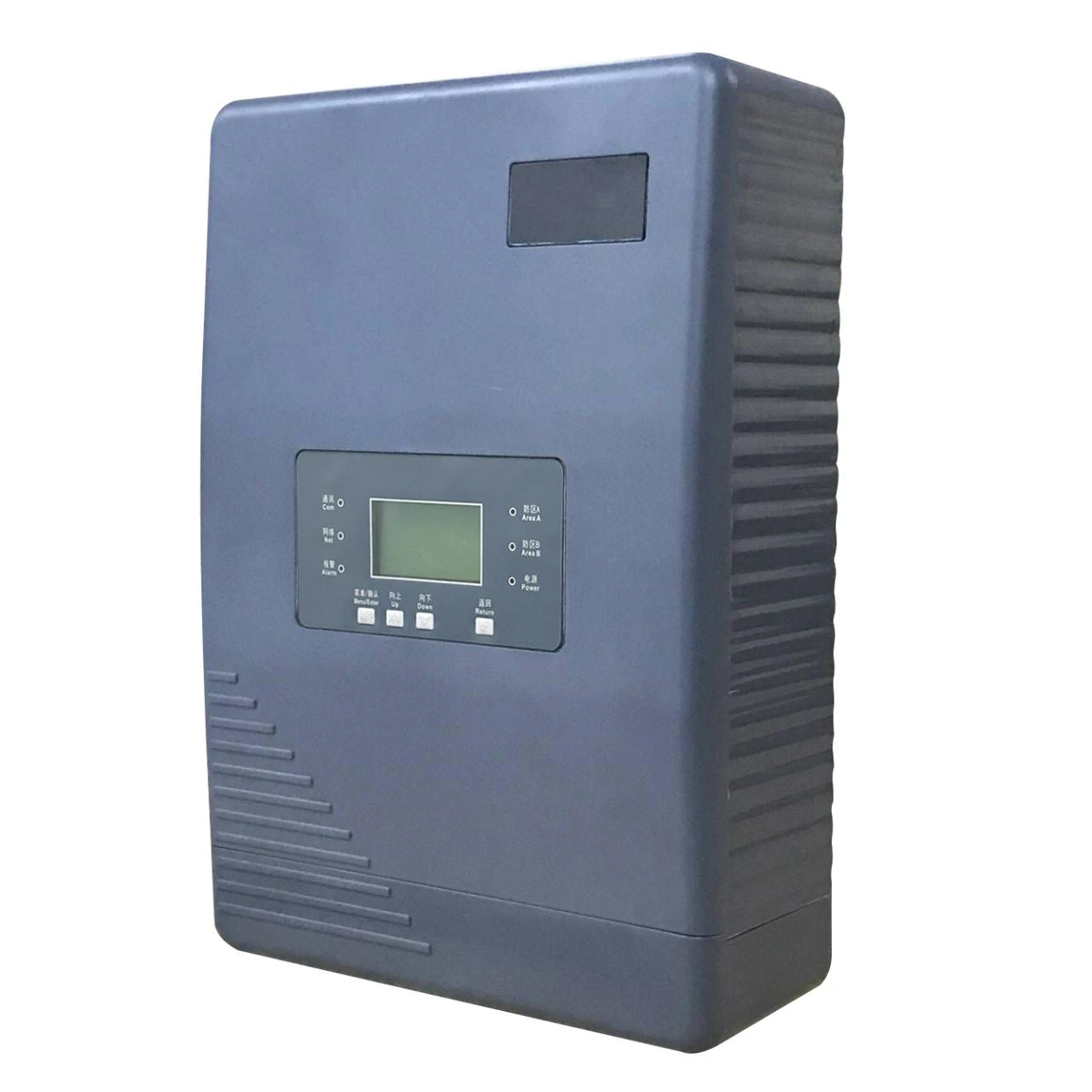
Electric fence energizer system
Fence detection · X3 / X5 / X6 series
5,000–10,000 V bi-polar pulse, one pulse per second, ≤2.5 J.
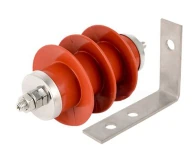
Electric fence wire & accessories
Electric fence accessories · Posts, insulators, alloy wire, tensioners, grounding
Electric fence wire, insulators and tensioners — the parts that decide year five.
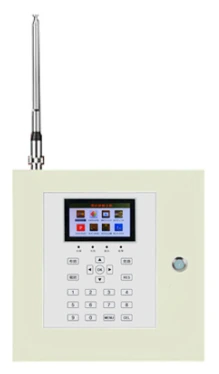
Electric fence alarm & control
Electric fence alarm · K7 / K9 / K10 hosts · touch terminal · management software
Arm, map and verify every electric fence zone from one interface.
| System | Detection principle | Typical range | Control |
|---|---|---|---|
| Electric fence energizer system | Bi-polar high-voltage pulse on alloy wires | Up to 100 m per terminal span; zone length by layout | RS485 / network / dry contacts |
| Electric fence wire & accessories | Mechanical and electrical support parts | Terminal ≤100 m; bearing 20–25 m; middle 4–5 m | — |
| Electric fence alarm & control | Collects all sensor layers | 1–128 zone addresses | RS485 / network / GPRS |
Designed as a system, not a box of parts.
A perimeter fails at the joints: the gate, the corner, the drainage culvert, the place where one technology stops and another begins. Our work is to make those joints deliberate.
Site-first selection
Wall, soil, vegetation, voltage, false-alarm history and response time decide the sensor mix — not a preferred product.
Layered detection
Deterrence at the fence, covert detection behind it, and verification at the alarm point. Each layer covers the other’s blind spots.
Integration ready
RS485, network, dry contacts and relay outputs connect to the control host, CCTV, access control and the site management platform.
Built for the climate
Operating ranges from −40 °C to +70 °C, IP65/IP66 housings and lightning protection are specified with the sensor, not added afterwards.
What the alarm actually reports.
Short circuit
A jumper or contact between two alloy wires changes the circuit; the host reports a short within the same pulse cycle.
Open circuit
A cut or disconnected alloy wire breaks the loop; the host reports an open circuit instead of staying silent.
Tamper & power loss
Opening the wiring panel, removing the host or losing mains power is reported as a separate event.
Where electric fence projects are specified.
Electric fence projects for homes and villas, warehouses and logistics parks, schools and campuses, and prisons and correctional perimeters — each with a different wire height, zone length and alarm response.
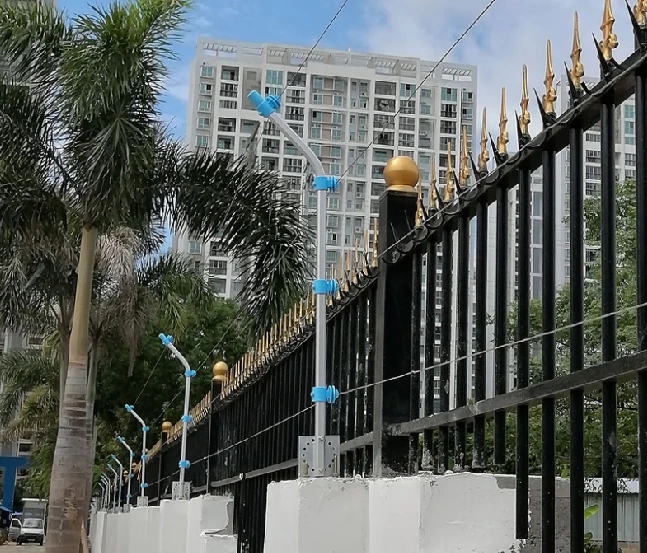
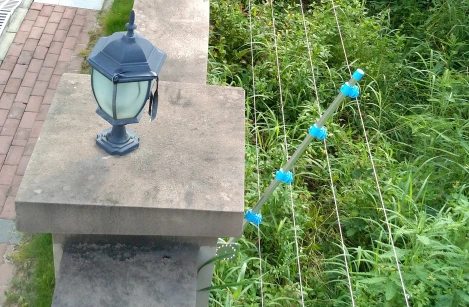
Electric fence for homes & villas
A perimeter that a resident can live beside and a guard can actually reach.
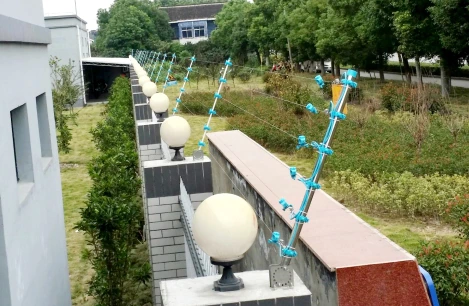
Electric fence for warehouses & factories
Long perimeters, vehicle yards and the places a fence quietly stops working.
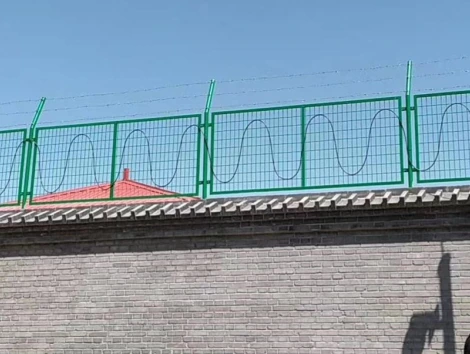
Electric fence for schools & campuses
A boundary that protects without looking like a prison.
Electric fence for prisons & correctional facilities
Layers that assume the first one will be tested.
Four decisions before a single post is fixed.
Survey the line
Measure the perimeter, mark corners, gates, culverts, vegetation and existing power or network routes.
Choose the sensor
Match detection physics to the surface: rigid wall, mesh fence, open ground, buried route or hazardous area.
Set the zones
Divide the line so every alarm points to a response distance a guard can actually reach.
Integrate the response
Connect relays, RS485 or network to the control host, video and management platform, then test each zone.
Field notes for perimeter planning.
Selection logic, installation detail and the questions buyers ask before a perimeter project.
Electric fence cost: what drives the price of a perimeter
A line-by-line guide to electric fence cost: the six cost blocks, why per-metre pricing misleads, and how zones, terrain and logistics change a quote.
Read more
Electric fence wire and insulators: choosing parts that hold
Alloy wire and insulators decide whether a pulse fence is still stable in year five. A practical guide to wire choice, insulator ratings, post spacing and the accessories worth specifying.
Read more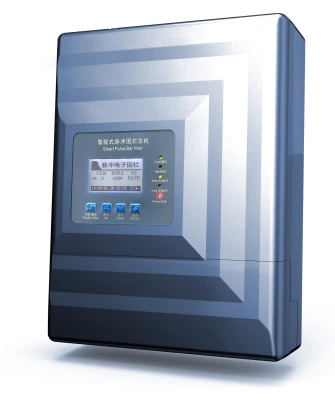
Electric fence energizer sizing: voltage, joules and backup power
A practical guide to electric fence energizer sizing: how voltage, joules and pulse width interact, how to set zone length by fence type, and how to plan 12 V battery backup for an outage.
Read more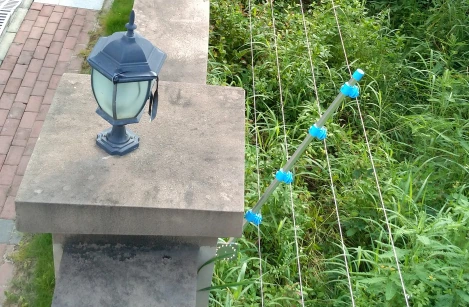
Electric fence installation: survey, posts, earthing and commissioning
A field sequence for electric fence installation: what to record in the survey, how to set terminal posts and wire heights, where to break zones and route cables, and which commissioning tests to record.
Read more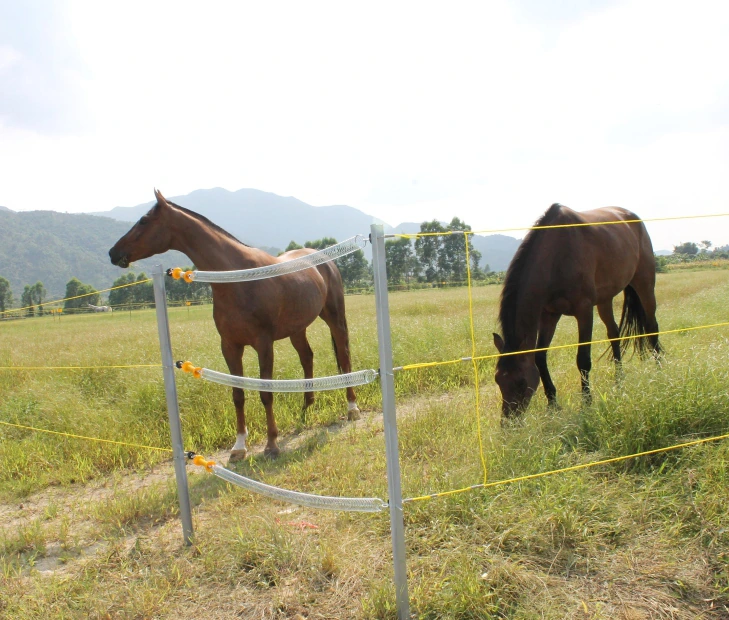
Electric fencing for cattle and horses: energizer, wire and paddock layout
A practical guide to electric fencing for cattle and horses: P3–P6 energizer classes, wire and tape, earthing, gates, training and public-road safety.
Read more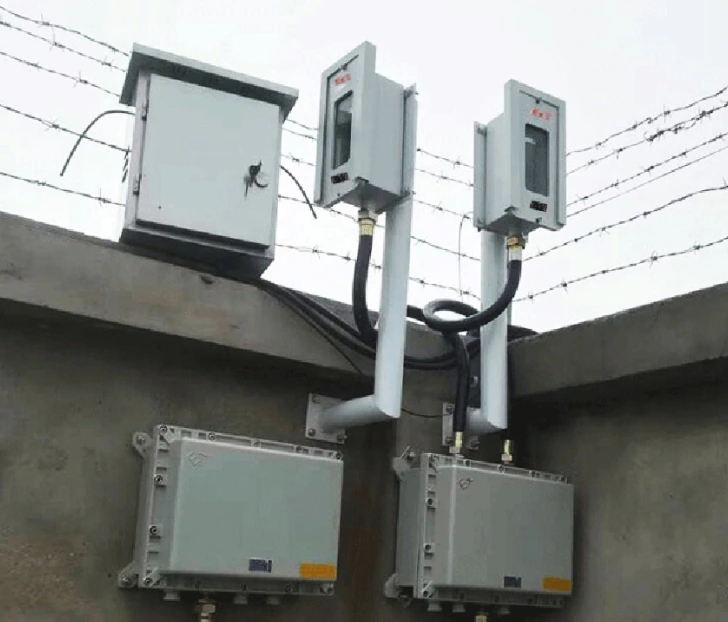
Electric fence in hazardous areas: explosion-proof checklist
A step-by-step checklist for specifying perimeter detection in Zone 1 and Zone 2 hazardous areas: Ex codes, cable entries, bonding, maintenance and documents.
Read moreTechnical notes
Send the line length. We will return the electric fence price per metre and the energizer selection.
Tell us the perimeter metres, wall or fence type, number of gates and the alarm response. We will size the electric fence energizer, price the wire, insulators and tensioners by the metre, and include the electric fence installation notes.