
Electric fence for warehouses & factories
Long perimeters, vehicle yards and the places a fence quietly stops working.
- Recommended layers
- 3
- Key risks
- 3
- Systems
- 3
Industrial plants of 1–5 km use 4–6 wire pulse fence on walls in 100–200 m zones, with buried cable where containers block the line and 8–16 channel control hosts. A 2.4 km park typically resolves to 11–24 zones, each named for a gate or building.
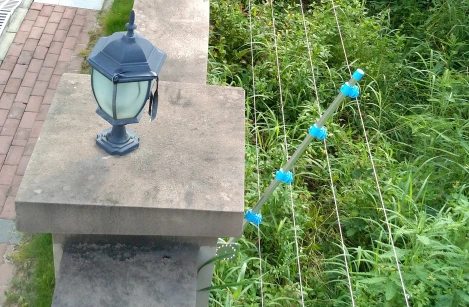
The site condition chooses the layer
Start with the places most likely to fail
The yard edge is not the fence
Trailers, containers and pallets are often stacked against the fence, creating a ladder and a blind spot. Detection on the fence alone cannot see someone who is already on top of a container.
Vehicle gates and daily traffic
A beam across a vehicle gate will alarm on every truck. The gate needs a loop or a contact, and the beam should cover the pedestrian gap beside it, not the roadway.
Maintenance access
Roof ladders, drainage culverts and fire exits are legitimate openings. If they are not protected and logged, they become the path of least resistance.
Layer by layer
Layer-by-layer configuration
Boundary — pulse or tension
Pulse fence on masonry or mesh boundaries; tension where the site does not want voltage on the fence or where the boundary runs beside a public road. Zones follow the guard patrol route.
Yard — buried cable and beams
Buried leakage cable along the yard edge where no fence is possible, and laser or infrared barriers across open storage lanes. The buried layer catches someone walking between containers.
Long runs — vibration fibre
On a perimeter longer than about 1 km, vibration fibre reduces the number of powered nodes and gives a continuous sensing line. The locating processor reports the position along the fence.
Systems used in this application
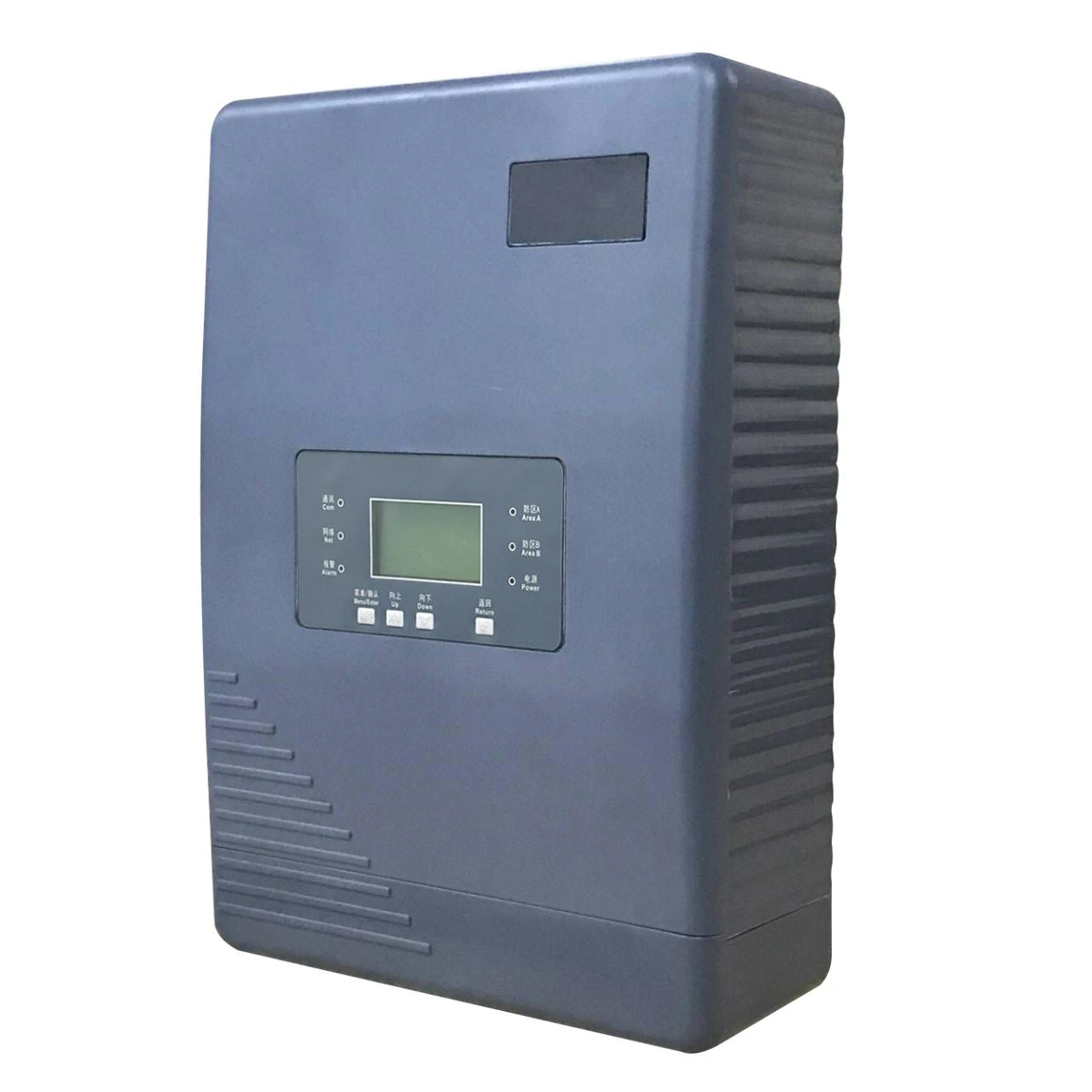
Electric fence energizer system
Fence detection · X3 / X5 / X6 series
5,000–10,000 V bi-polar pulse, one pulse per second, ≤2.5 J.
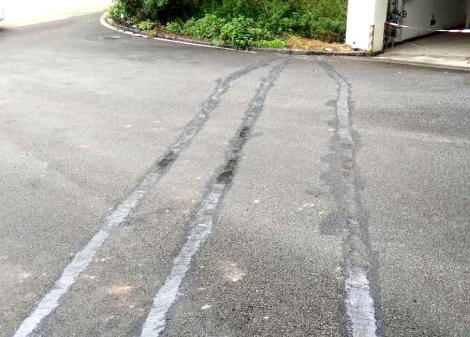
Buried leakage cable
Covert detection · Leakage cable detector set
A detection line you cannot see, following the ground you already have.
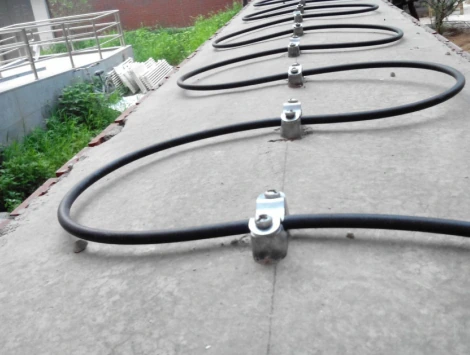
Vibration fibre
Covert detection · 1/2-zone collector · 4/8/16-channel chassis · locating unit
A sensing cable that hears climbing, cutting and digging along the whole run.
Application questions
Can the system distinguish a person from a forklift?
Not reliably by sensor alone. A pulse fence reports a short or a climb; a buried cable reports a disturbance. Vehicle traffic should be kept off the detection line, or the gate area should use a loop or a contact that arms only outside working hours.
How do we protect a perimeter with containers stacked against it?
Move the detection line inward, to the yard edge or a clear lane, and treat the stacked containers as a separate access risk. A fence sensor mounted behind a container cannot see the fence, and a beam at ground level will be blocked.
What about a 3 km perimeter?
Divide it into response zones of 200–400 m, use vibration fibre or a small number of pulse hosts on the long runs, and put laser barriers at the open corners. The zone count should follow how many places a guard can reach, not the number of products in the catalogue.
Plan this application
Send the site type, perimeter length and response model. We will propose a layered configuration.