
Oil, gas & hazardous areas
Detection that is certified for the zone it stands in.
- Recommended layers
- 3
- Key risks
- 3
- Systems
- 3
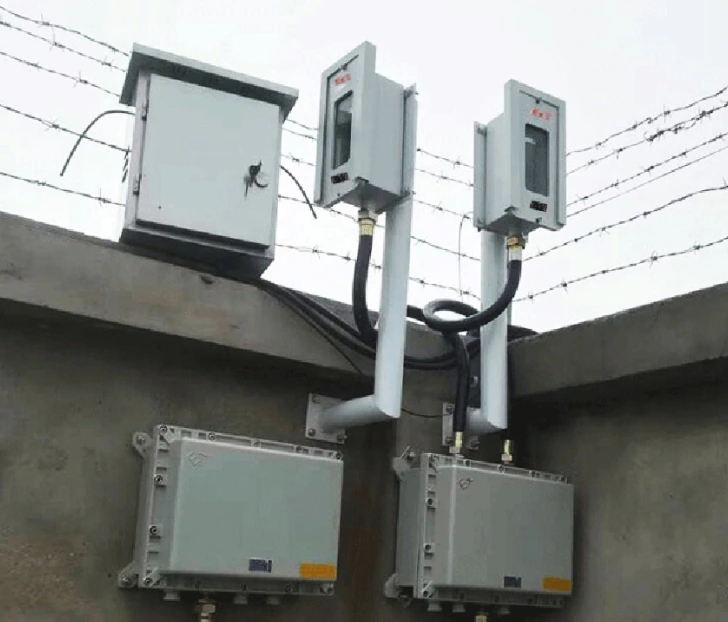
Hazardous-area perimeters use Ex d IIB T6 Gb / Ex ib IIC T6 devices, 2–4 beam infrared barriers at 30–250 m, and 80–150 m zones. Cable entries, bonding and the area drawing are checked before energizing; earth resistance is kept below 10 Ω and detection is verified at the far end of every zone.
The site condition chooses the layer
Start with the places most likely to fail
Zone classification is the design basis
A detector rated for Zone 2 is not automatically acceptable in Zone 1, and an Ex d IIB device is not a substitute for Ex ib IIC. The area drawing, gas group and temperature class must be confirmed before any model is selected.
False alarms during transfer
Loading arms, tank relief and vehicle movement create legitimate motion. A beam across a loading bay will alarm on every transfer and be bypassed within a week.
Maintenance in a hazardous area
Opening an Ex enclosure or disconnecting an intrinsically safe circuit requires a permit and isolation. The design should minimize the need to open devices in the zone: put configuration and terminals outside where possible.
Layer by layer
Layer-by-layer configuration
Perimeter — Ex barriers and contacts
Explosion-proof infrared barriers or curtains on the fence line, with Ex door contacts at the gates and Ex vibration detectors on the tank shell or fence fabric.
Process area — gas and flame
Combustible gas detectors at pump seals, loading points and low-lying areas; smoke and temperature detectors in control rooms and cable spaces. Alarm points are set against the gas’s LEL and the site’s permit-to-work rules.
Local alarm and control
Ex sounders provide local audible/visual alarm; the control equipment and isolators sit outside the hazardous area. Every device is labelled with its Ex code and cable entry rating.
Systems used in this application
Explosion-proof perimeter alarm
Hazardous area · Ex d IIB T6 Gb / Ex ib IIC T6 detector family
Detection and alarm inside the hazardous area, not at its edge.
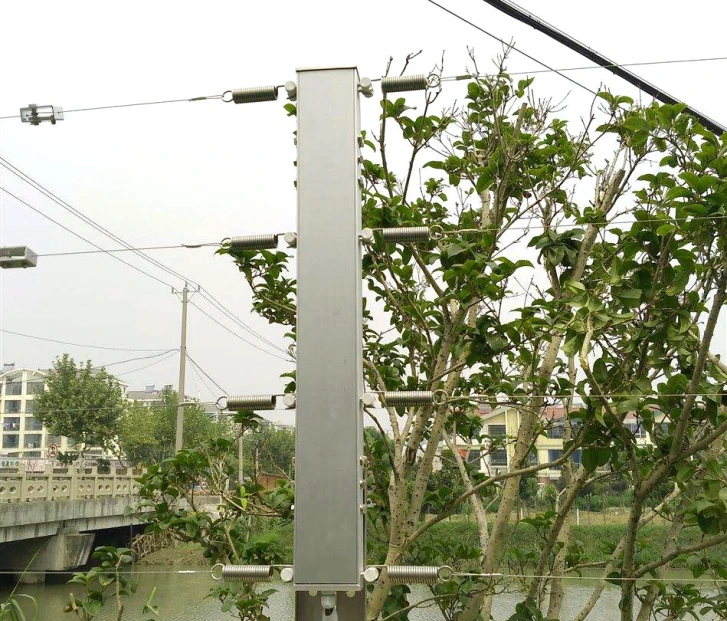
Tension fence
Fence detection · S7W / S9 / X800 / X900
Detects climbing, cutting and slackening without voltage on the fence.
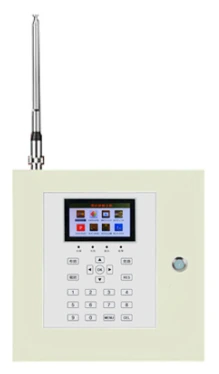
Electric fence alarm & control
Electric fence alarm · K7 / K9 / K10 hosts · touch terminal · management software
Arm, map and verify every electric fence zone from one interface.
Application questions
Can a standard pulse fence be used around a tank farm?
Only outside the classified area and subject to the site’s ignition-risk assessment. Inside the hazardous area, use Ex-rated devices or a non-electrical detection layer such as tension or fibre. The fence host should be outside the zone.
Do gas detectors replace perimeter detection?
No. Gas detection protects against a leak; perimeter detection protects against unauthorised access. They have different alarm thresholds, response procedures and maintenance routines. A tank farm normally needs both.
What documents are needed at handover?
Ex certificates for each model, the area classification drawing with device locations, the installation and maintenance manual, calibration records for gas detectors, and the earth/bonding test results.
Plan this application
Send the site type, perimeter length and response model. We will propose a layered configuration.