Electric fence cost: what drives the price of a perimeter
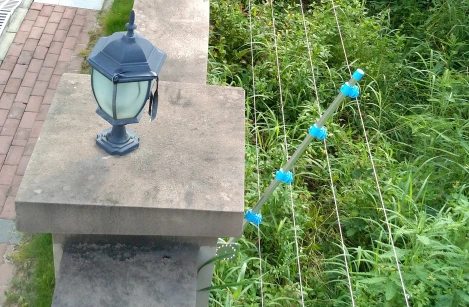
Cost is driven by five blocks: fence length, energizer and zone count, barrier type, control platform, and installation. A 500 m wall with 5 zones and a K9 host is a different budget from a 2 km mesh line with 11 zones; ask for each block separately instead of one per-metre number.
Almost every electric fence enquiry begins with the same question: what does it cost per metre? The number feels comparable, which is why it survives. In practice, a per-metre figure is the output of a quote divided by a length, not a property of the fence itself.
Two sites with identical perimeter lengths can receive very different totals, because the price is built from zones, posts, control layers, integration and commissioning rather than from distance alone. This guide breaks a quote into blocks and shows what to ask, without pretending that a universal number exists.
Why is a price per metre misleading?
A per-metre figure is easy to compare and easy to misread. One supplier may divide a complete installed price by the perimeter length; another may divide only the energizer and wire, leaving posts, labour and commissioning to the buyer. The second number looks lower because it describes less.
The same length can also support very different designs. A single run along a wall may need one dual-zone energizer and a few terminal posts. The same distance across open ground may need a full post system, concrete footings, a longer cable route and several zones to keep response times practical. The fence length has not changed; the work has.
Ask for the quote to be rebuilt from line items with quantities. A per-metre figure can be derived later for budgeting, but it should never be the first number a buyer accepts.
Which cost blocks make up an electric fence quote?
Most electric fence quotes can be reduced to six blocks: the energizer and zone hosts, the wire and insulators, the posts and installation labour, the control layer, integration with other systems, and commissioning. The share of each block changes with the site, and so does the risk hidden inside it.
| Cost block | What it covers | What changes it |
|---|---|---|
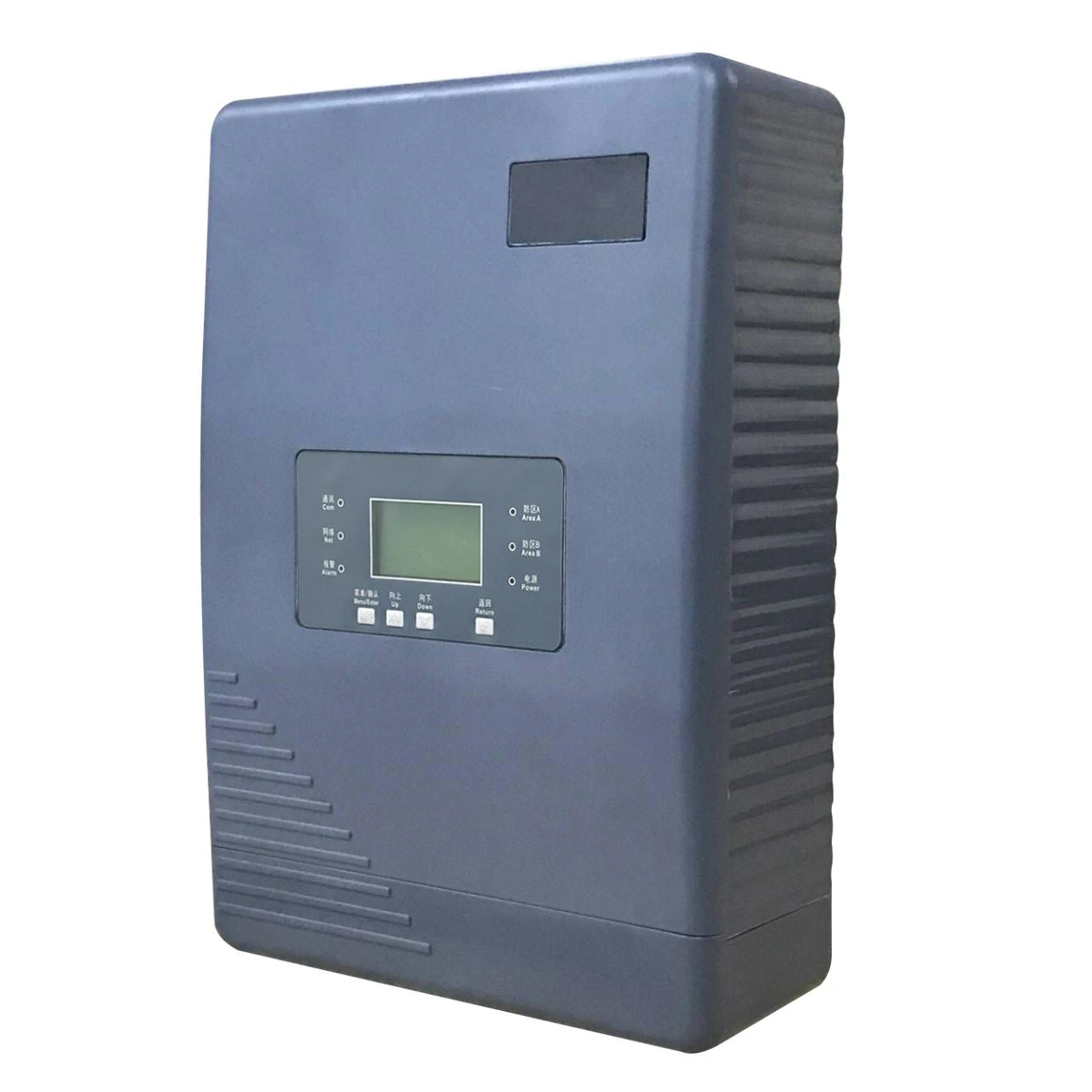
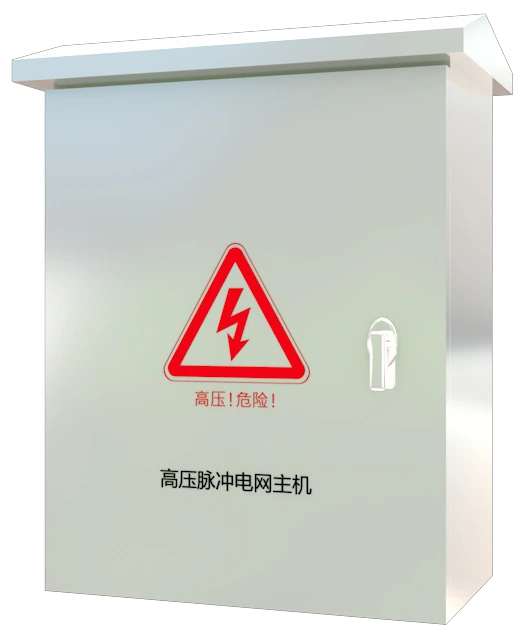
| Energizer and zone hosts | Pulse or tension host, zone channels, enclosure, backup battery | Number of zones, single or dual zone, output class, hazardous-area rating |
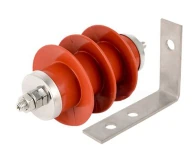
| Wire and insulators | Alloy wire, insulators, tensioners, springs, high-voltage lead | Wire count, perimeter length, height, coastal or polluted air |
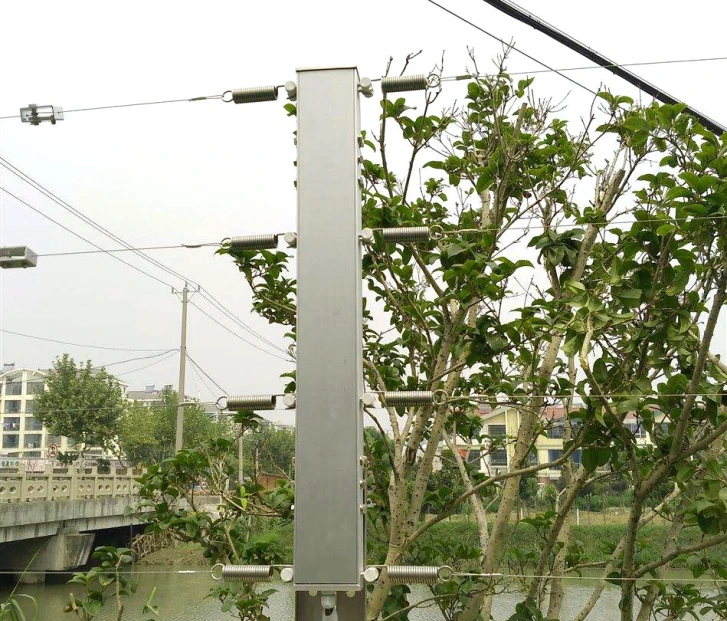
| Posts and installation | Terminal, bearing and intermediate posts, brackets, anchors, labour | Wall, mesh or open ground; corners and gates; access and working at height |
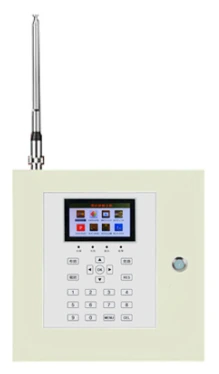
| Control layer | Keypad, alarm host, touch terminal, platform, bus or network cable | One gatehouse or several buildings; map, logging and remote access |
| Integration | Relay or protocol links to cameras, access control and sirens | Number of systems, supported protocols, scope of testing |
| Commissioning | Zone tests, threshold records, as-built drawings, operator training | Zone count, night access, documentation and handover requirements |
How does the barrier type change the cost?
On a masonry wall, the structure already exists. The fence is carried on brackets, and the cost is driven by wall condition, coping, height, safe access and the anchor type. A wall that is loose, hollow or covered in climbing plants may need repair before it can carry wind load or wire tension.
A mesh fence needs standoffs and brackets, and the fabric moves under wind, so tension and earthing need more care. Open ground is the most expensive host: posts must be set in concrete, the route must be cleared, and the cable run back to control is longer. On rock, asphalt or soft soil, excavation can cost more than the sensor.
The cheapest barrier is the one already on site, but only when it is mechanically sound. Savings taken from posts and anchors usually return as movement, arcing and nuisance alarms.
How does the number of zones drive the price?
Every zone needs a host channel or its own energizer, terminal posts at both ends, insulators, a cable route to the control point, an address and a commissioning test. Doubling the zone count roughly doubles those items even when the perimeter length stays the same.
Zone count is a response decision, not a sales option. Fewer, longer zones reduce hardware and cable but lengthen the distance a guard must search. More zones shorten the search but multiply hosts, terminations and test records. A serious quote states the zone map, not just the total length.
What does the control layer add?
A keypad at a gatehouse, a K-series alarm host, a touch terminal and a Windows platform are four different control layers. A single entrance may need only a keypad, a siren relay and a printed zone list. A site spread across several buildings needs a host, a network and a map that an operator can actually use.
Integration is mostly labour. Linking the fence to cameras, access control or a monitoring centre requires protocol checks, relay wiring, preset programming and an end-to-end test. A quote that lists integration as one line, without naming the systems or the test, is an estimate rather than a price.
How do logistics and country factors change the price?
Posts and wire are bulky and heavy, so freight is charged on volume and weight rather than on the value of the electronics. On a long perimeter, coils and post bundles can dominate the shipping cost. Import duty, tax and product certification also differ by destination, and they are usually outside the supplier’s control.
Local conditions change labour and risk: mains voltage and frequency, permits for electric fences near public areas, CE, UKCA or other marks, the language of manuals and training, labour rates, site access and the weather window. Two identical drawings can produce different totals in two countries for reasons that have nothing to do with the fence.
How should you compare two quotes?
Put both quotes on the same page: same zone map, same wire count, same post spacing, same control layer, same integration scope and same commissioning. If one quote omits an item, price the missing scope before comparing, or ask the supplier to quote it.
| Line item | What a complete quote states | Red flag |
|---|---|---|
| Scope and drawings | Perimeter length, zone map, barrier type, height and wire count | A length only, with no drawing or zone count |
| Energizer and zones | Model, zone capacity, output class and backup battery | “Energizer included” with no model or zone count |
| Wire and insulators | Wire type and diameter, insulator withstand, quantity | Wire and insulators grouped as “accessories” |
| Posts and fixings | Post class, spacing, anchors, brackets and quantity | No post schedule and no spacing |
| Installation | Who installs, excavation, conduit, making good | “Installation by others” with no defined boundary |
| Control and integration | Hosts, software, protocols and named external systems | One “integration” line with no system names |
| Commissioning | Zone tests, threshold records, as-built drawings, training | “Tested before delivery” as the only evidence |
| Commercial terms | Freight, duty, payment, warranty and spare parts | An ex-works price presented as delivered |
What should you check before accepting a price?
Ask for the zone map, the post schedule, the wire count and the control architecture. Ask which items sit outside the price: civil works, conduit, power supply, network switches, cameras, permits, freight, duty and training. Ask who commissions the system and which test records will be handed over.
Then ask about year five: spare energizers, insulator batches, wire type and platform support. A low initial price with no spares and no documentation becomes expensive at the first fault.
The useful comparison is total cost of ownership, not the invoice alone: maintenance visits, vegetation control, battery replacement and software support. The cheapest quote is the one whose scope you can verify, not the one with the smallest headline.