
Electric fence design by site type
The same sensor behaves differently on a rendered wall, a chain-link fence, a grass verge and a hazardous-area pipe rack. These guides start from the site condition.
- Site types
- 8
- Detection layers
- Fence / buried / fibre / beam
Site conditions and detection choices
| Site type | Primary risk | Recommended layer | Watch-outs |
|---|---|---|---|
| Electric fence for homes & villas | Vegetation and pets | Layer 1 — wall-top pulse fence | Public-facing appearance |
| Electric fence for warehouses & factories | The yard edge is not the fence | Boundary — pulse or tension | Vehicle gates and daily traffic |
| Power & water utilities | Remote response | Fence layer — pulse or tension | Electrical noise and earthing |
| Oil, gas & hazardous areas | Zone classification is the design basis | Perimeter — Ex barriers and contacts | False alarms during transfer |
| Electric fence for prisons & correctional facilities | A single layer will be defeated | Outer layer — pulse grid | Blind zones at corners and structures |
| Airports & borders | Distance defeats response | Long linear layer — locating fibre | Wildlife and wind |
| Farms, ranches & orchards | Vegetation loads the fence | Pasture — energizer and earth | Distance from power |
| Electric fence for schools & campuses | Students test boundaries | Boundary — tension fence | Public events and sports |
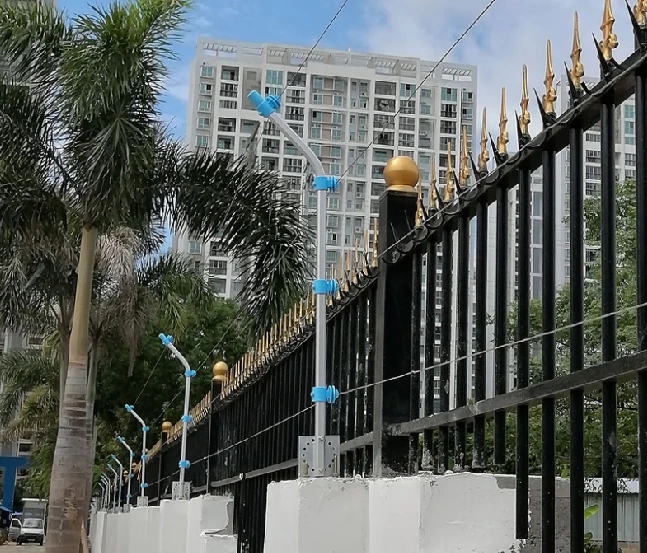
Electric fence for homes & villas
A perimeter that a resident can live beside and a guard can actually reach.
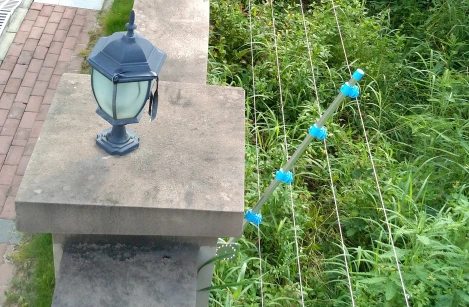
Electric fence for warehouses & factories
Long perimeters, vehicle yards and the places a fence quietly stops working.
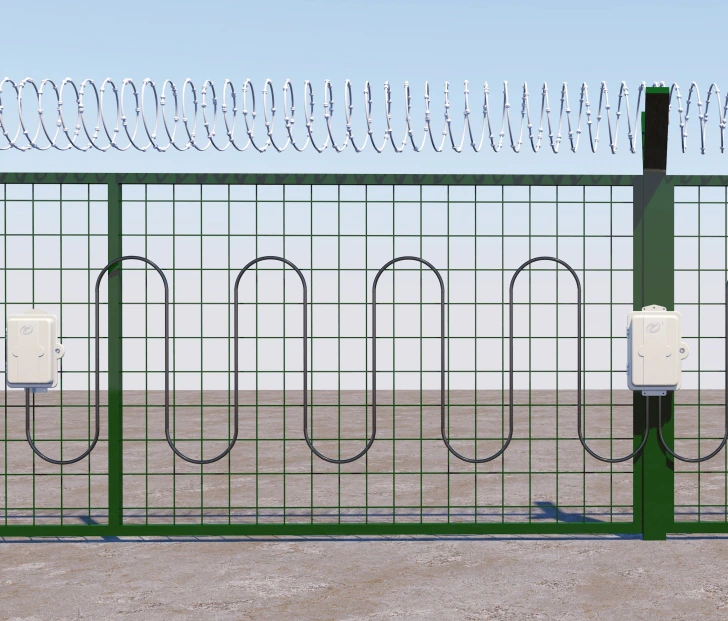
Power & water utilities
Unattended sites where the alarm must be true the first time.
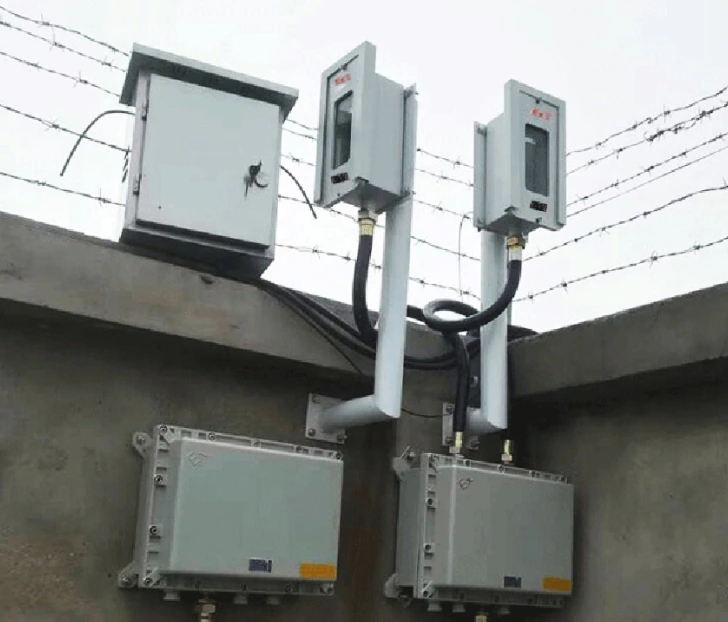
Oil, gas & hazardous areas
Detection that is certified for the zone it stands in.
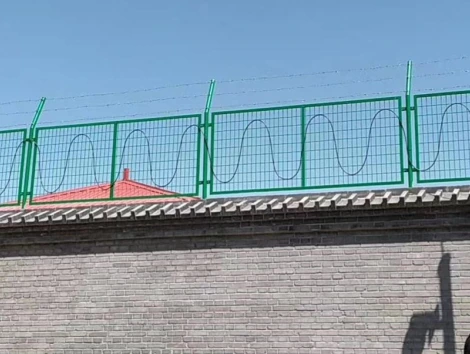
Electric fence for prisons & correctional facilities
Layers that assume the first one will be tested.
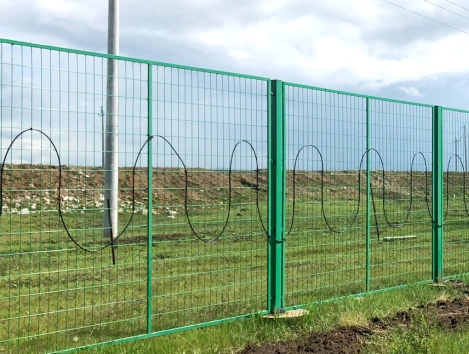
Airports & borders
Kilometres of boundary, one map, and a response that can find the point.
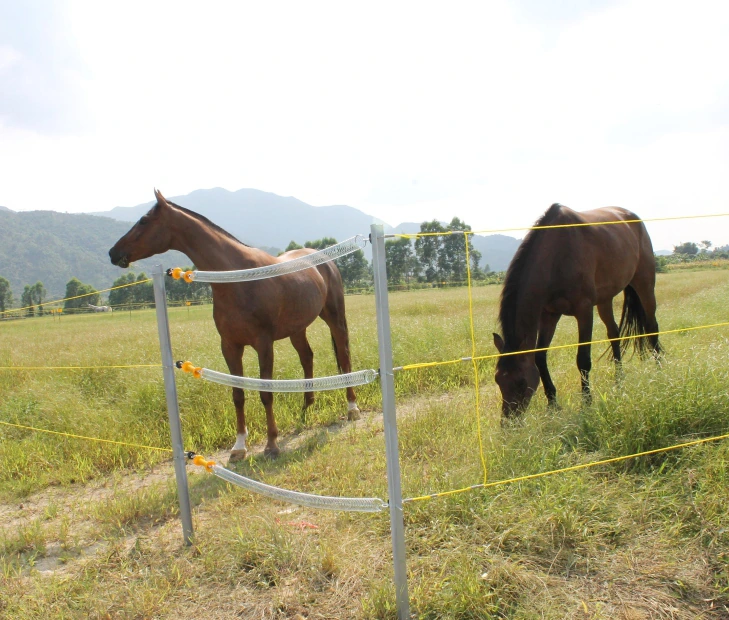
Farms, ranches & orchards
Contain the herd, protect the crop, and keep the power bill at zero.
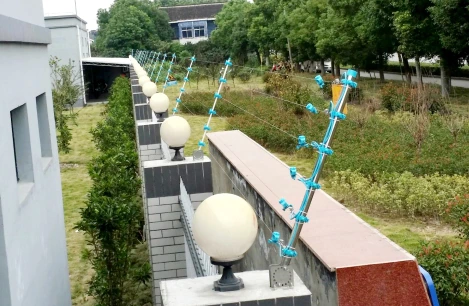
Electric fence for schools & campuses
A boundary that protects without looking like a prison.
Have a site plan or photos?
Share the line length, wall or fence type and any existing conduits. We will map the zones and the sensor mix.
Send the line length. We will return the electric fence price per metre and the energizer selection.
Tell us the perimeter metres, wall or fence type, number of gates and the alarm response. We will size the electric fence energizer, price the wire, insulators and tensioners by the metre, and include the electric fence installation notes.