
Electric fence for homes & villas
A perimeter that a resident can live beside and a guard can actually reach.
- Recommended layers
- 3
- Key risks
- 3
- Systems
- 3
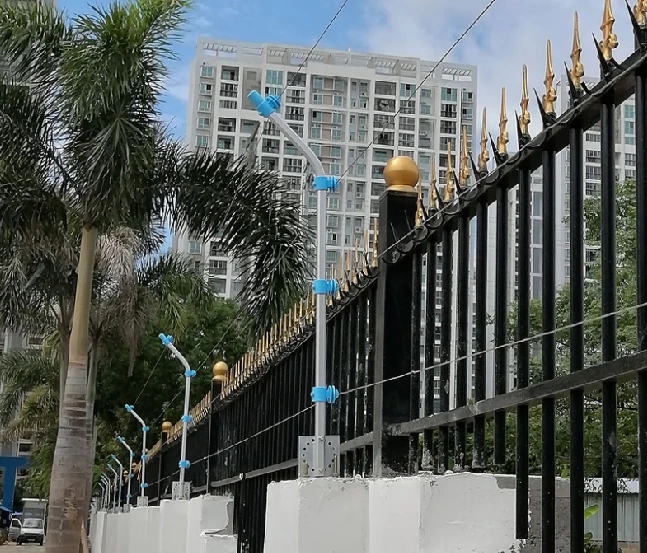
A residential perimeter of 120–800 m is usually split into 80–120 m zones, with a 4-wire pulse fence on the wall and 2-beam infrared barriers at gates. The response target is under 2 minutes for a guard on a bike; gate contacts report opening separately from intrusion.
The site condition chooses the layer
Start with the places most likely to fail
Vegetation and pets
Shrubs touching the fence, cats walking the wall and children retrieving balls are the usual sources of nuisance alarms. A short zone and a carefully set sensitivity matter more than a long, over-sensitive run.
Public-facing appearance
The fence is visible from the street and from neighbours’ windows. A tidy alloy-wire line on the wall is acceptable in most communities; a heavy pulse grid is not. Where a visible fence is not acceptable, use buried cable or tension.
Gate geometry
The gate is the weakest point. If the fence zone runs across the gate leaf, every opening becomes an alarm. Terminate the zone at a fixed post and protect the gate with a contact or a separate beam.
Layer by layer
Layer-by-layer configuration
Layer 1 — wall-top pulse fence
Four-wire pulse fence on the wall, with the host inside the compound and warning signs facing the street. Zones are kept to 80–120 m so a guard on a bicycle can reach any alarm in under two minutes.
Layer 2 — gate and blind-side beams
Two-beam infrared barriers cover the gate opening and any wall section hidden by a building. A gate contact reports opening separately from an intrusion.
Layer 3 — verification
A camera preset at each zone and a local sounder at the guardhouse complete the response. The control host logs the zone and time, so the property manager can review repeated false alarms.
Systems used in this application
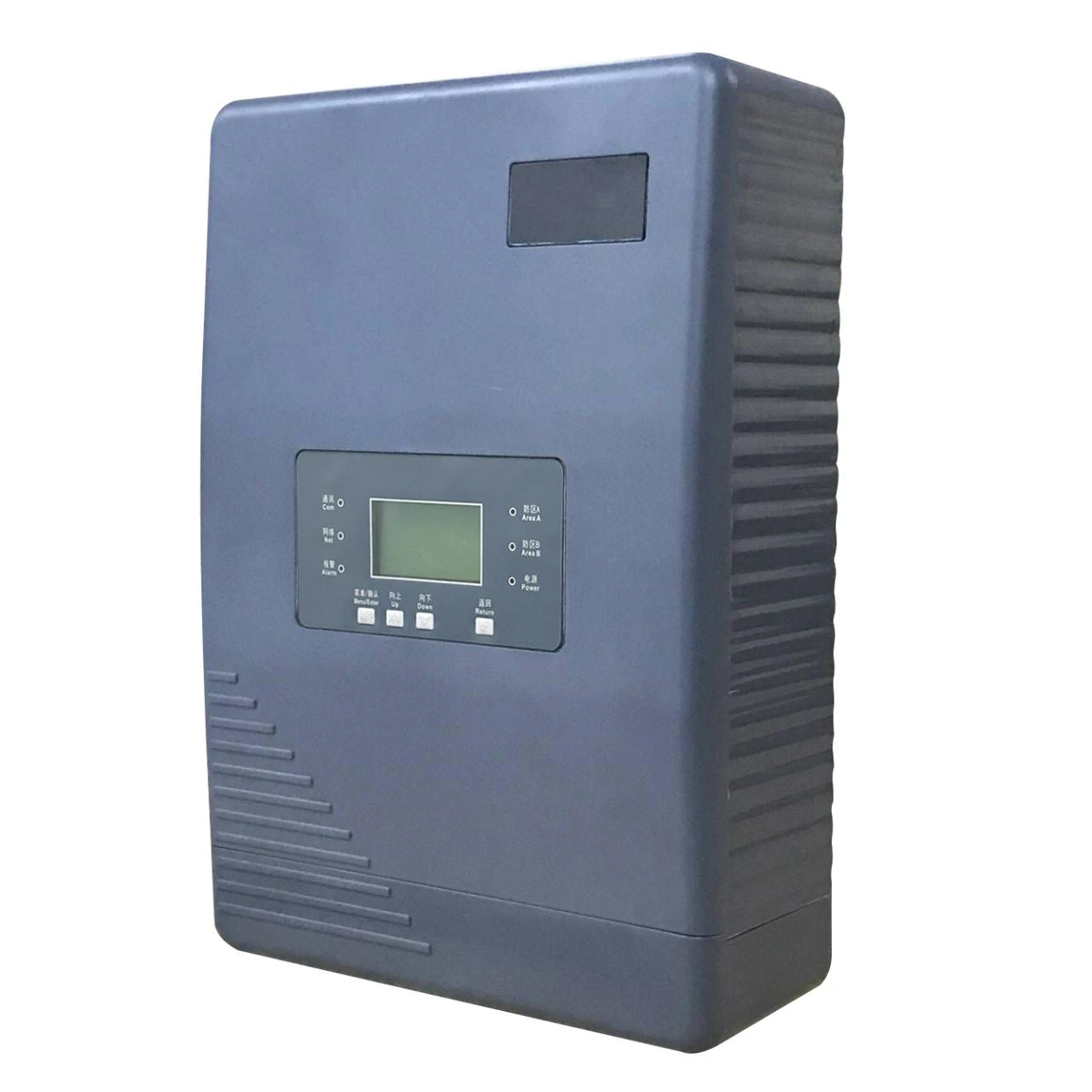
Electric fence energizer system
Fence detection · X3 / X5 / X6 series
5,000–10,000 V bi-polar pulse, one pulse per second, ≤2.5 J.
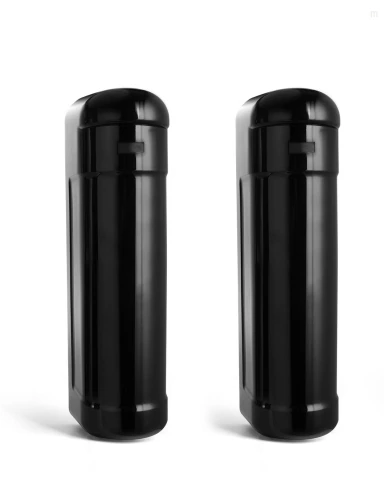
Infrared barrier
Beam detection · 2 / 3 / 4-beam active infrared
The economical beam layer for short and medium spans.
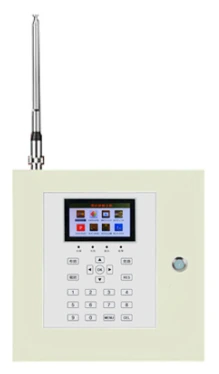
Electric fence alarm & control
Electric fence alarm · K7 / K9 / K10 hosts · touch terminal · management software
Arm, map and verify every electric fence zone from one interface.
Application questions
Will the fence affect property values or residents’ views?
A four-wire alloy fence on the wall is visually light and is common in gated communities. The bigger visual impact comes from the warning signs. Place them where required by safety rules but avoid a continuous line of large plates.
Can one host cover the whole community?
No. A pulse host covers one or two zones, and a community wall is usually divided into several zones for response. The number of hosts follows the zone plan, not the size of the property.
How do we stop children from touching the fence?
Mount the fence above reach on the inner side of the wall, fit warning signs, and keep a clear strip free of climbable objects. The pulse is a deterrent, not a toy; the property manager should include the fence in resident communications.
Plan this application
Send the site type, perimeter length and response model. We will propose a layered configuration.