Electric fence voltage and safety: what 5,000–10,000 V actually means
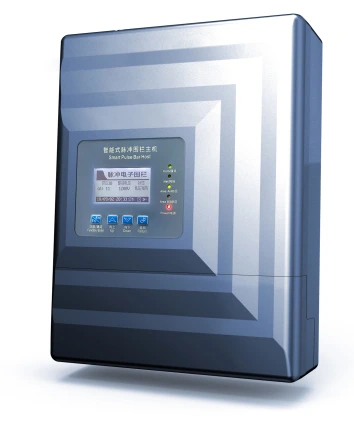
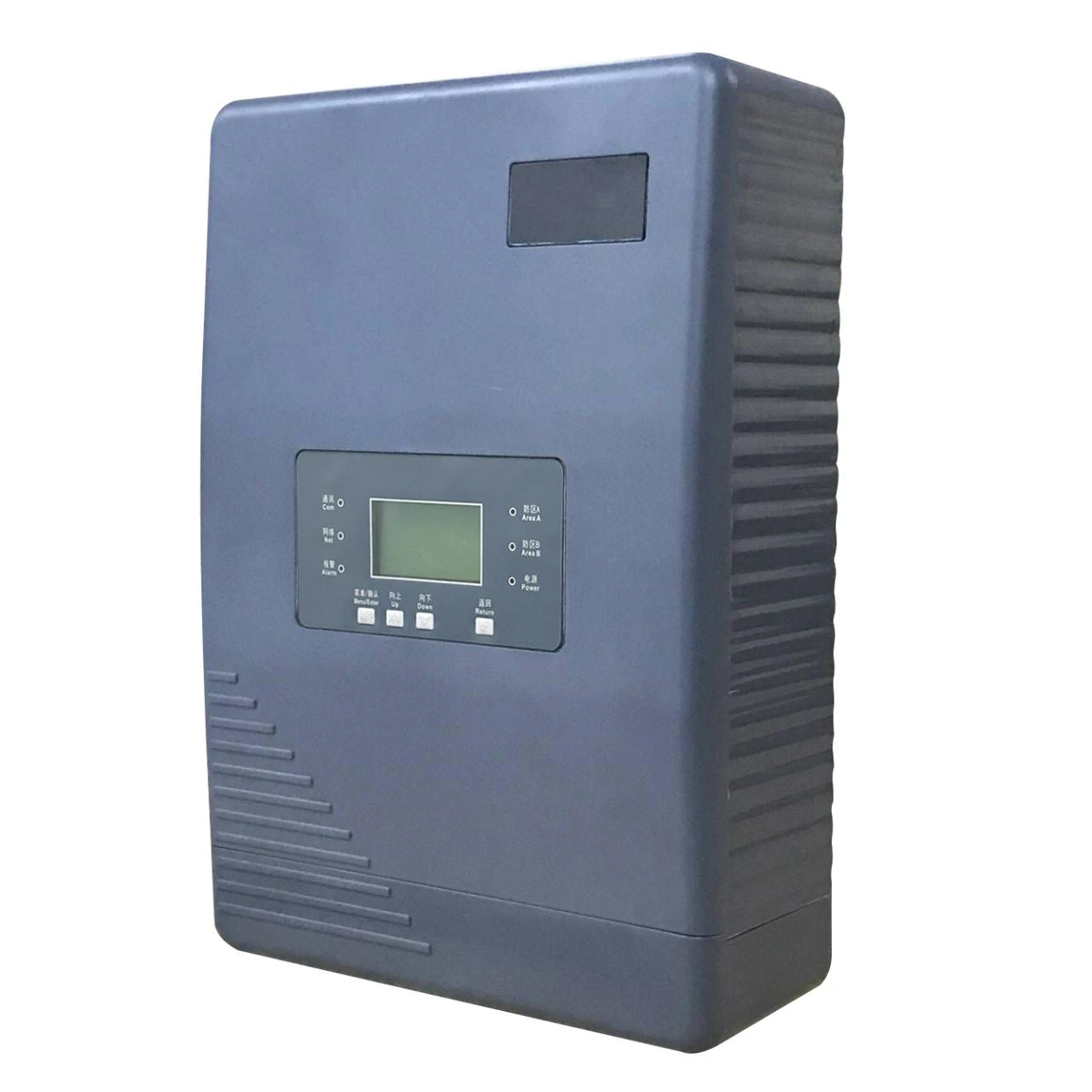
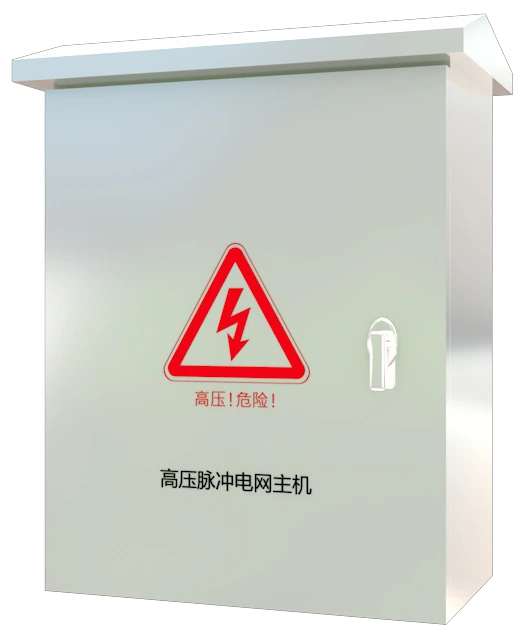
A pulse fence operates at 3–10 kV with ≤2.5 J per pulse and a 1 s discharge interval. Warning signs are repeated every 10 m, the public side is kept clear, and earth resistance is below 10 Ω; the fall from a wall is often more dangerous than the shock itself.
A fence datasheet says “10 kV”, and a buyer pictures a power line. The number is real, but it is not the whole story. What matters for safety is the energy per pulse, the duration, the current path and the installation discipline around the fence.
This note explains the physics in practical terms and lists the installation controls that keep an electric fence a deterrent rather than a hazard. It is not a substitute for local electrical regulations or a site-specific risk assessment.
How much energy is in a pulse?
The fence host charges a capacitor and discharges it through the fence in a pulse of about 0.1 second or less. The catalog figures for a pulse fence are typically ≤10 A peak current and ≤2.5 mC maximum pulse energy, with a pulse interval of about one second. Energy, not voltage alone, determines the physiological effect.
A static shock from a car door can reach several thousand volts with almost no energy. A fence pulse has more energy than that, which is why it hurts, but it is deliberately short and current-limited. The design intent is a memorable startle, not injury.
Can a pulse cause a dangerous shock?
Under normal dry conditions, a brief pulse across intact skin is painful but not normally dangerous. Risk rises with wet skin, a path across the chest, a person with a cardiac condition, or a fall from a wall after the shock. The fall is often the more serious injury, which is why warning signs and a visible fence line matter as much as the electrical design.
Never treat “it is only a fence” as permission to touch. Maintenance staff should isolate the host, and the public should be kept away by height, signage and physical barriers. A fence that relies on the public’s good behaviour is not a safety design.
What clearance and signage are required?
The installation manual used with these hosts requires at least 30 mm between the alloy wire and any other metal, a horizontal distance greater than 5 m from the edge of a public road (except wall-top installations), at least 200 mm from plants, and warning signs every 10 m in a visible position.
The 30 mm clearance is not cosmetic. A closer gap can arc, damage the host and start a fire in dry vegetation. After any landscape work, re-check the clearance; a hedge grows into the fence faster than the maintenance schedule expects.
| Item | Requirement | Why |
|---|---|---|
| Alloy wire to other metal | ≥ 30 mm | Prevents arcing and host damage |
| Fence to public road edge | > 5 m (wall-top excepted) | Keeps the public outside the shock envelope |
| Fence to plants | ≥ 200 mm | Prevents leakage and fire |
| Warning signs | Every 10 m, visible | Informs the public and staff |
| Earth resistance | < 10 Ω | Gives the pulse a safe return path |
| Pulse duration | ≤ 0.1 s | Limits delivered energy |
How should the fence be earthed?
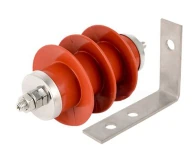
Each zone needs one or two high-voltage arresters near the host, bonded to a dedicated earth electrode with 6–16 mm² copper. The target earth resistance is below 10 Ω. The fence earth should not be casually bonded to the building lightning protection system; that decision belongs to the electrical designer.
Measure the earth resistance at commissioning and after any nearby lightning strike. A fence that “still works” after a storm may have lost its protection path; the next strike will find the electronics.
How do you isolate the fence for maintenance?
Switch off the host, disconnect the backup battery, and verify that the high-voltage terminals are dead before touching the wiring. Lock the enclosure and tag it. Do not rely on the front-panel display alone; the capacitor may still hold charge after the mains is removed.
For work on the fence line, isolate the zone and use a tester rated for the voltage. Keep a written isolation procedure at the host, not only in the office. The person who needs it is the one standing at the fence.
What should be in the safety file?
Include the site risk assessment, the as-built drawing with clearances, the earth resistance record, the warning-sign layout, the isolation procedure, the incident/response procedure and the maintenance log. If the fence is in a public area, add the resident or community communication record.
Review the file when the fence layout changes. A new gate, a new hedge or a new storage rack can invalidate the clearance assumptions that made the original installation safe.