Electric fencing for cattle and horses: energizer, wire and paddock layout
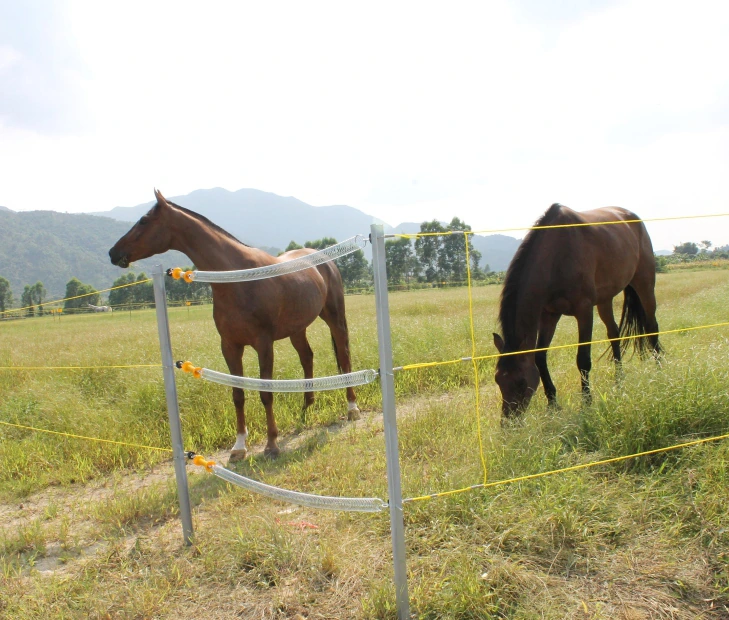
For cattle and horses, use 2–4 wire fence, 3–10 m post spacing, and a P3–P6 energizer with 1.5–3 J output. A 1–5 km paddock usually needs 1–3 zones and a 12 V backup; wet grass, gates and vegetation are the first places to check when voltage drops.
Electric fencing for cattle and horses is decided by the animal and the paddock, not by the energizer alone. Cattle test a boundary with their heads and shoulders; horses are flight animals that may run into a wire they did not see. A fence that holds a beef herd can injure a horse if the conductor and spacing are wrong. The energizer, often called a charger, only supplies the pulse.
This guide covers P3–P6 energizers, power, wire versus tape, earthing, gates, training, wet grass and public-road safety. It also marks where livestock containment stops and a security perimeter begins.
Is livestock fencing the same as a security perimeter?
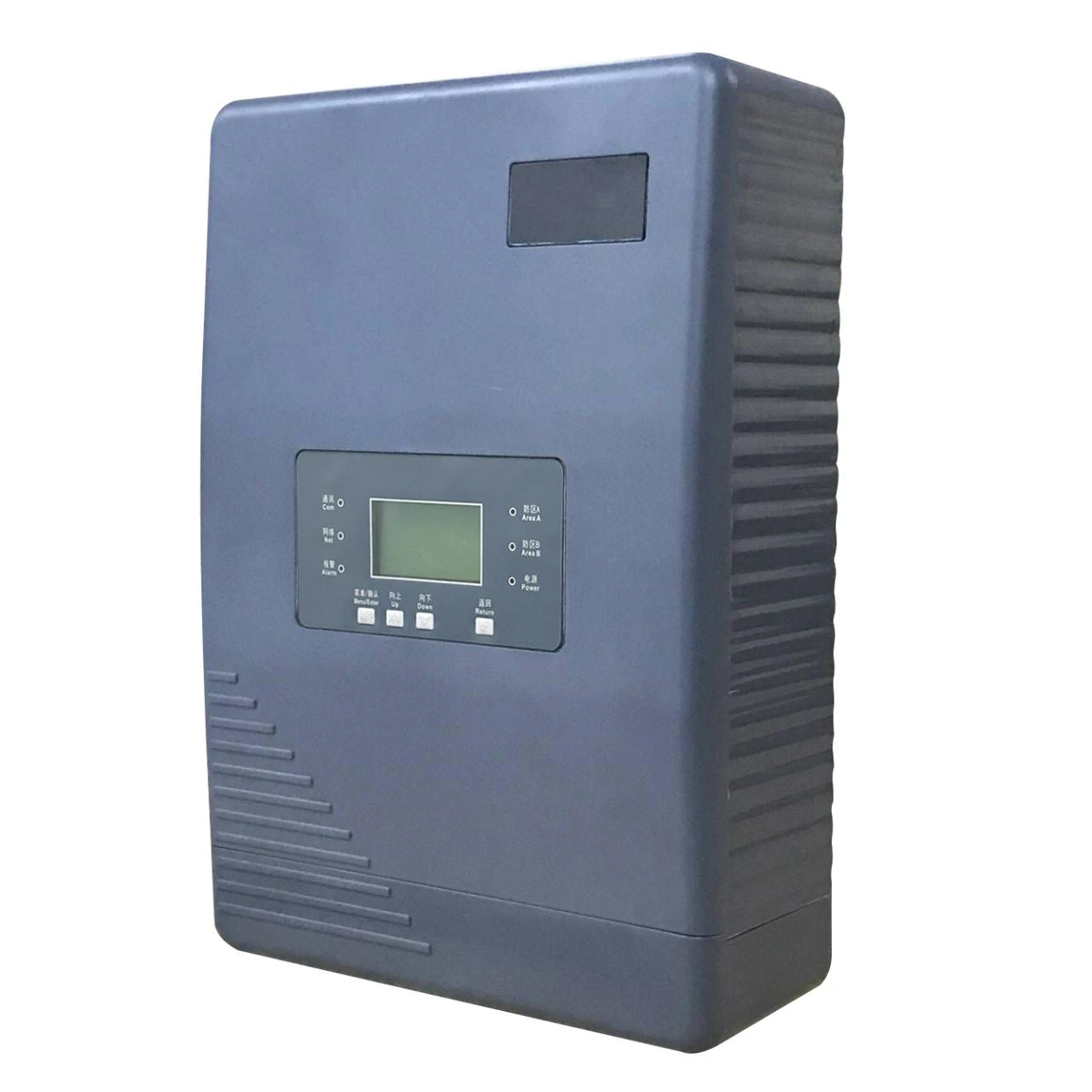
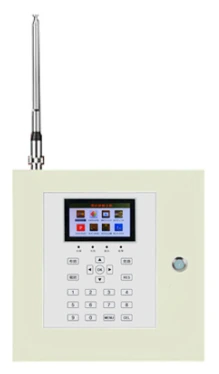
A livestock energizer is a containment tool. Its short, high-voltage, low-energy pulse startles an animal and teaches it to keep away from the conductor. It has no zone map, no RS485 bus and no camera linkage. P6 adds an open-circuit alarm relay (2 A 12 V DC / 2 A 120 V AC), but that reports a broken fence line, not a person crossing it.
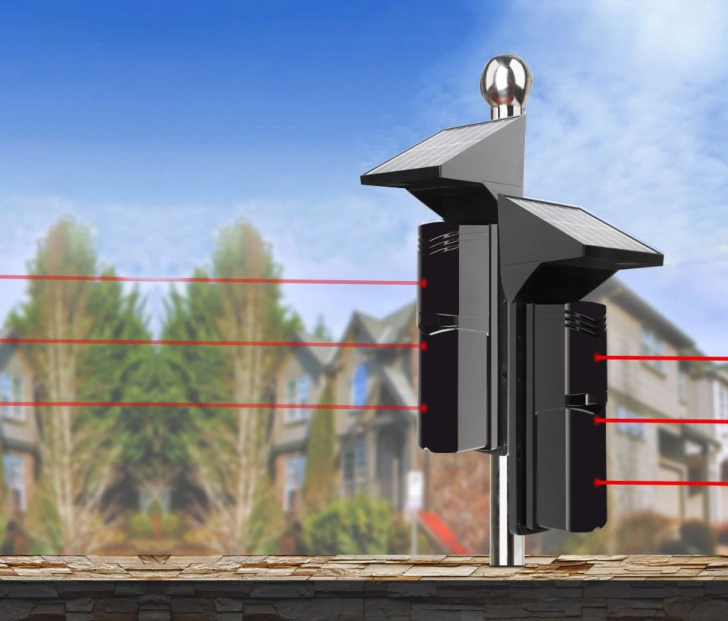
A security perimeter measures intrusion and sends a guard to a place. It needs a pulse fence at 3–10 kV, ≤2.5 mC and ≤10 A peak on four or six alloy wires, with RS485 or network communication and dry contacts, or a tension fence. A 1.5 J paddock energizer is not that layer.
What the energizer actually delivers
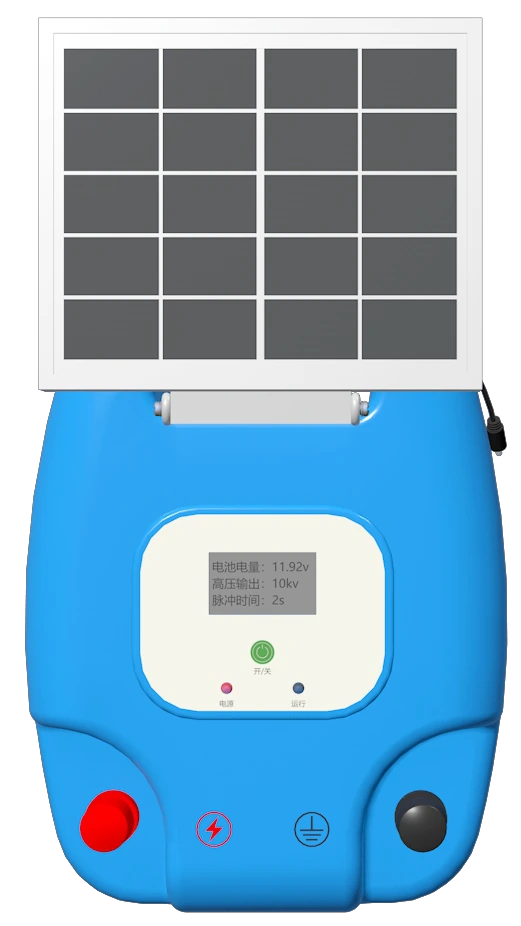
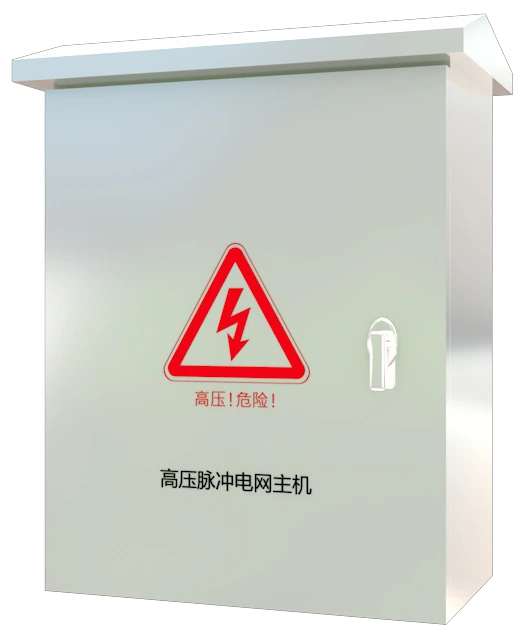
The P-series is high-voltage, low-energy. P3, P4 and P5 output below 12 kV; P6 is selectable at 8, 10 or 12 kV. Energy per pulse is 1.5 J on P3, P4 and P6, and 3 J on P5. Pulse width is 100 µs and the interval is 1.0 s, with P6 offering 1.0 or 1.5 s. Voltage crosses the gap; energy and duration determine the effect.
Mains models run on DC12 V 2 A at ≤5–7 W, rated −40 °C to +50 °C. The solar model uses an internal lithium battery and a 290 × 240 mm or 210 × 190 mm panel, charges at 0.44 A/hour in good light, draws ≤2 W and is rated −20 °C to +50 °C at IP65. Size solar for the worst month; P4 adds a display, P6 the relay.
Why size by wire length instead of paddock area?
Add every conductor, not the area. A five-wire fence around a 2 km paddock is a 10 km load; vegetation, insulators and soil leakage add more. Published single-wire reach is 1–3 km for P3/P4 and 3–10 km for P5/P6. Treat those as clean-condition maxima and derate for dry soil, heavy grass and poor insulators. A permanent boundary wants one step above the load; rotational grazing suits a smaller unit.
The table uses published classes; the final check is voltage at the far end.
| Wire load | Animal | Energizer | Notes |
|---|---|---|---|
| 1–3 km | Calves, small groups | P3/P4 — 1.5 J, <12 kV | P4 screen. |
| 1–3 km | Cattle, permanent | P4 — 1.5 J, <12 kV | Test the far end monthly. |
| 3–10 km | Cattle, multi-wire | P5 — 3 J, <12 kV, or P6 — 1.5 J, 8/10/12 kV | P5 for heavy grass; P6 for adjustable voltage/alarm. |
| 3–10 km | Horses, tape | P6 — 1.5 J, 8/10/12 kV | 1.0 or 1.5 s interval; visible, tensioned tape. |
Do cattle and horses need different fences?
Cattle are handled in groups and test a fence with their heads and shoulders. Three to five wires work, with the lowest at 45–60 cm. Horses are flight animals with thinner skin and long legs; a thin wire they cannot see can cause a panicked run and serious injury. Visible tape and wider spacing are the practical answer, though tape costs more.
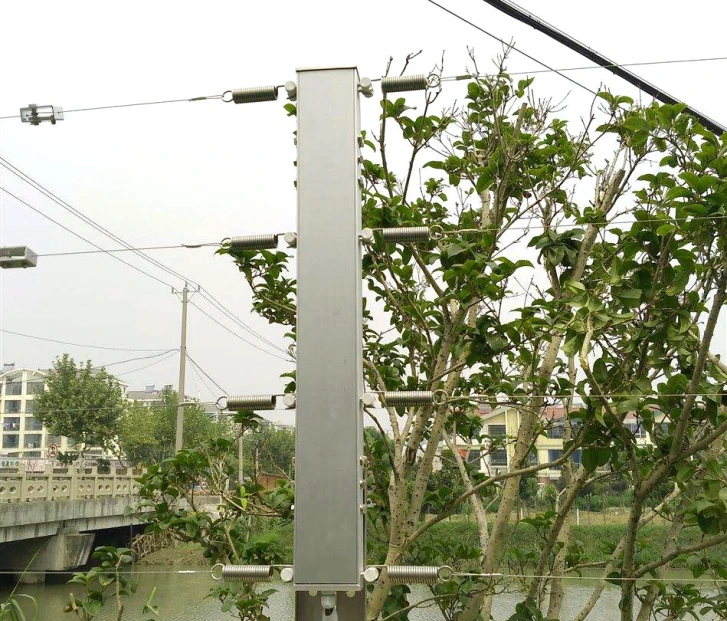
Permanent posts follow the accessory range: intermediate every 4–5 m, bearing every 20–25 m, terminal no more than 100 m apart. The table compares the points that change the design.
| Animal | Target | Wire / tape | Post spacing | Energizer | Safety |
|---|---|---|---|---|---|
| Cattle | Herd, grazing cells | 3–5 wires; lowest 45–60 cm | 4–5 m; 20–25 m; ≤100 m | P4–P6; 1.5–3 J; <12 kV or 8/10/12 kV | Mow under wire; 30 mm from metal. |
| Horses | Turnout, pasture boundary | Visible tape; wider spacing | Same grid; tape tensioned | P4/P6; 1.5 J; <12 kV or 8/10/12 kV | Tape and wider spacing reduce injury risk. |
Why does earthing matter on a farm fence?
The pulse leaves the energizer, crosses the animal and returns through the soil to the earth electrode. A poor return path gives a weak shock even when terminal voltage looks healthy. Drive at least three earth rods in damp soil, several metres apart, with a corrosion-resistant conductor. Keep the fence earth separate from the mains earth.
Test the far end monthly with a voltage tester, not by touching it. If voltage falls after rain or grass growth, check the bottom wire for vegetation, a cracked insulator or a corroded joint. Accessory data treats below 10 Ω as the earth target; a paddock energizer deserves the same discipline.
How should gates and laneways be laid out?
A gate is an opening, not a place to run a live wire. Terminate the fence at a fixed post beside the gate, use an insulated gate connection or a buried cable across the laneway, and keep the conductor off the gate frame.
Lay out the permanent perimeter first, then temporary cross fences. One energizer can feed several paddocks if total wire length stays within its class, but each section needs isolation so a fault can be found without switching off the farm.
How do you train animals and manage wet grass?
New animals need a training paddock, not the whole farm. Use a small area with visible tape and the energizer on, and let them approach at their own pace. Do not chase an animal into the wire. Cattle learn in a group; horses need a calm introduction. Check the group before opening the gate.
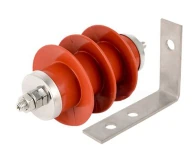
Grass is the usual reason a winter fence fails in spring. Vegetation on the bottom wire leaks current, drops voltage and hides breaks. Mow or spray under the fence; wet grass adds load, so check the far end after rain. The accessory range uses above-15 kV insulators, φ0.66 mm × 7-strand Mg-Al wire and spring tensioners; those parts decide year five.
What about public roads, signs and maintenance?
Keep the fence more than 5 m from a public road edge, except wall-top installations, and fix warning signs every 10 m on any public-facing line. Keep alloy wire 30 mm from other metal and 200 mm from plants, and install the energizer out of public reach. Check local rules beside a road, footpath or bridleway.
A monthly walk is enough for most farms: read far-end voltage, clear grass from the bottom wire, check insulators and gates, and inspect earth rods after dry spells. After storms, check tension and branches. Record the readings so a slow decline is visible.