
Electric fence for prisons & correctional facilities
Layers that assume the first one will be tested.
- Recommended layers
- 3
- Key risks
- 3
- Systems
- 3
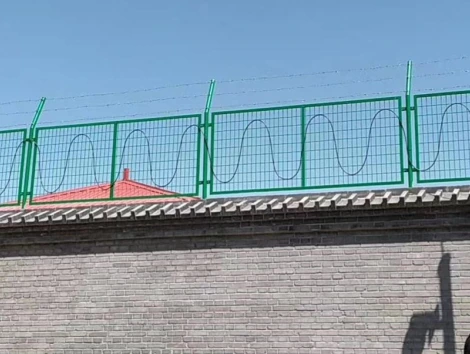
Correctional perimeters combine 4–6 wire pulse fence in 80–150 m zones with a covert layer 0.5–1 m behind the fence and camera verification at each zone. Response is measured in seconds, not minutes; the control room sees the zone, camera preset and alarm type together.
The site condition chooses the layer
Start with the places most likely to fail
A single layer will be defeated
A determined intruder will test the fence, the wall and the gate. The design must assume one layer fails and ensure the next layer still reports the event.
Blind zones at corners and structures
Corners, buttresses, drain covers and vegetation create places where a sensor cannot see. These are where a breach is most likely, and where the zone map must be most precise.
Alarm flooding
Wind, animals and maintenance can produce many alarms at once. If the control room cannot tell which zone matters, the system trains staff to ignore it.
Layer by layer
Layer-by-layer configuration
Outer layer — pulse grid
A visible high-voltage grid on the outer wall provides deterrence and a clear first alarm. The grid is divided into short zones aligned with camera presets.
Sterile zone — buried cable and laser
The clear strip between the outer wall and the inner fence is covered by buried leakage cable and crossed by laser barriers at corners. This is the layer that catches someone who has already crossed the wall.
Inner layer — tension or fibre
The inner fence uses tension or vibration fibre to detect cutting and climbing close to the building. The control room sees all three layers on one map with different colours.
Systems used in this application
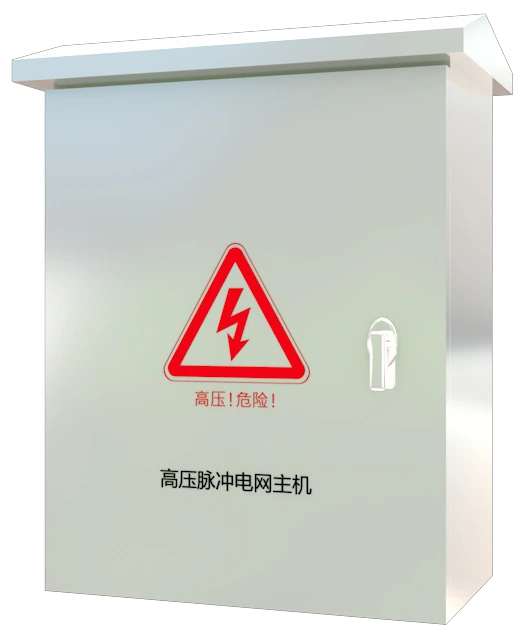
High-voltage pulse grid
Fence detection · Grid energizer and control keyboard
Visible deterrence for boundaries that must not be crossed.
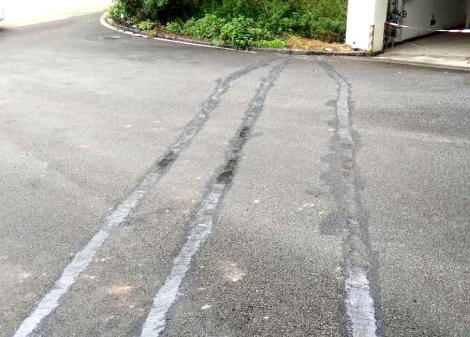
Buried leakage cable
Covert detection · Leakage cable detector set
A detection line you cannot see, following the ground you already have.
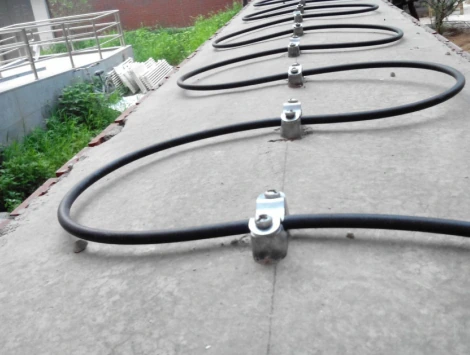
Vibration fibre
Covert detection · 1/2-zone collector · 4/8/16-channel chassis · locating unit
A sensing cable that hears climbing, cutting and digging along the whole run.
Application questions
How many layers are enough?
It depends on the threat and response model, not a fixed number. A typical secure compound uses three: deterrence at the outer wall, covert detection in the sterile zone, and a final layer at the building line. Each layer must have its own response procedure.
Can the system distinguish a person from an animal?
Some layers can: buried cable is shaped for human intrusion and laser curtains can be set above ground level. A pulse fence cannot distinguish; it reports a short or a climb. Use the layer that matches the risk rather than expecting one sensor to do everything.
What maintenance does a sterile-zone system need?
Keep the strip clear of vegetation and stored objects, test each buried cable segment monthly, clean laser windows, and verify that the zone map still matches the physical layout after any construction change.
Plan this application
Send the site type, perimeter length and response model. We will propose a layered configuration.