
Tension fence
Detects climbing, cutting and slackening without voltage on the fence.
- Series / models
- S7W / S9 / X800 / X900
- Detection
- Mechanical tension change on alloy wires
- Typical range
- Zone length by layout; terminal spans per design
- Control
- RS485 / LAN / dry contacts
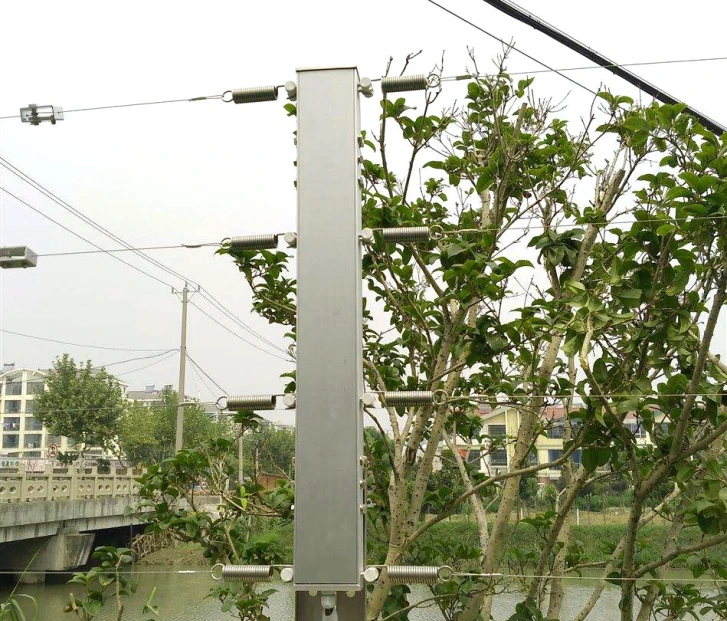
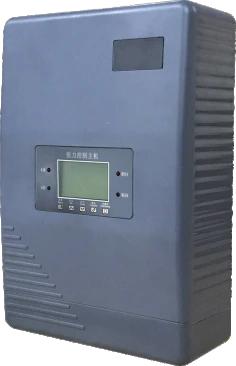
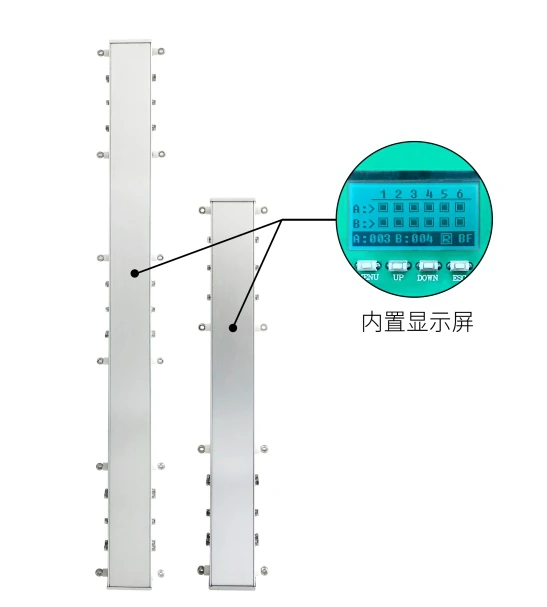
Tension fence
| Threshold | 100–450 N |
|---|---|
| Wires | 4 or 6 |
| Response | < 3 s |
| Front end | No voltage |
Detects climbing, cutting and slackening without voltage on the fence.
Tension threshold
The alarm threshold is adjustable from 100 to 450 N, so a light mesh fence and a heavy industrial fence can use the same electronics with different settings.
Four or six wires
Four-wire runs suit walls and short returns; six-wire runs add redundancy on long, exposed boundaries.
Slack and break detection
A pull of more than 75 mm, a cut wire or a sudden loss of tension triggers an alarm before the fence is opened.
Under 3 s response
The control module evaluates the tension change and reports within three seconds, fast enough to interrupt a climb at the wall.
Safe front end
The fence wires carry no voltage. Only the control rod and host are powered, which simplifies work near combustible or public areas.
Aluminium and stainless
Control rods use aluminium with antioxidant treatment; fasteners are SUS304 stainless steel and the housing is rated IP55.
From principle to site
Values are typical manufacturer data. Site conditions, power supply and configuration can change the final specification.
Why choose tension instead of pulse
Tension detection is mechanical. A wire under constant load is connected to a strain module; climbing, lifting or cutting changes that load. Because the fence itself carries no voltage, tension is preferred around fuel storage, public footpaths and sites where an electric fence would trigger objections or additional permits.
The trade-off is that tension needs a mechanically sound fence line. Loose posts, long unsupported spans and trees pushing on the wires create slow drifts that are harder to separate from a real climb. The installation must be tight and the posts must be stable before the electronics are tuned.
Setting the threshold on site
Start from the middle of the adjustable range, then test three events: a firm pull at mid-span, a cut on the farthest wire, and a normal wind gust. Raise the threshold until wind and thermal movement no longer alarm, then lower it one step and repeat the pull test. Record the final value on the as-built drawing so the next technician does not restart from zero.
For dual-zone hosts, set and test each zone independently. A shared threshold often hides a weak zone behind a stiff one, especially when one run is short and the other is exposed to wind.
Technical specifications
Values are typical manufacturer data. Site conditions, power supply and configuration can change the final specification.
| Model range | S7W host; S9 integrated pole; X800 / X900 control pole |
|---|---|
| Zones | Single or dual zone; 4 or 6 wires |
| Tension threshold | 100–450 N adjustable |
| Displacement alarm | Within 75 mm |
| Response time | < 3 s |
| Alarm duration | 30–180 s (S7W); 10–999 s adjustable (S9) |
| Sensitivity | Two levels (S7W); site-adjustable (S9) |
| Module withstand | > 1,000 N |
| Communication | RS485 bus and RJ45 LAN |
| Display | 3.0 in (S7W); 2.0 in (S9) |
| Power supply | DC18–24 V; DC12 V backup |
| Consumption | ≤ 5 W (pole); ≤ 15 W (host) |
| Operating environment | −40 °C to +50 °C; RH < 95% |
| Control pole size | 800 × 70 × 50 mm (4-wire); 1,200 × 70 × 50 mm (6-wire) |
| Host size | 345 × 242 × 100 mm |
Where this system is usually specified
Oil, gas & hazardous areas
Detection that is certified for the zone it stands in.
View detailsElectric fence for homes & villas
A perimeter that a resident can live beside and a guard can actually reach.
View detailsElectric fence for warehouses & factories
Long perimeters, vehicle yards and the places a fence quietly stops working.
View detailsPower & water utilities
Unattended sites where the alarm must be true the first time.
View detailsBuyer questions
Is a tension fence safe around fuel storage?
The fence wires carry no voltage, which removes the ignition risk associated with a live fence. The control host is still electrical equipment: install it outside the hazardous zone or in an appropriately rated enclosure, and follow the site’s hot-work and earthing rules.
Can tension fence be installed on an existing wall?
Yes, using wall-top or side-mounted brackets, provided the wall can carry the tension load. The terminal posts take the highest load, so they need chemical anchors or a through-bolt detail; hollow block walls usually need a steel frame.
How often should the tension be checked?
Check after the first month, then every six months and after any storm or vehicle impact. Thermal movement is normal; a sudden change in the reading without a temperature change usually means a loose anchor or a stretched wire.
Does it work on gates?
A tension zone should not cross a moving gate. Protect the gate with a separate sensor or a gate contact, and terminate the tension zone at a fixed post beside the gate so the wires are never stretched by normal opening.
Systems that work alongside it
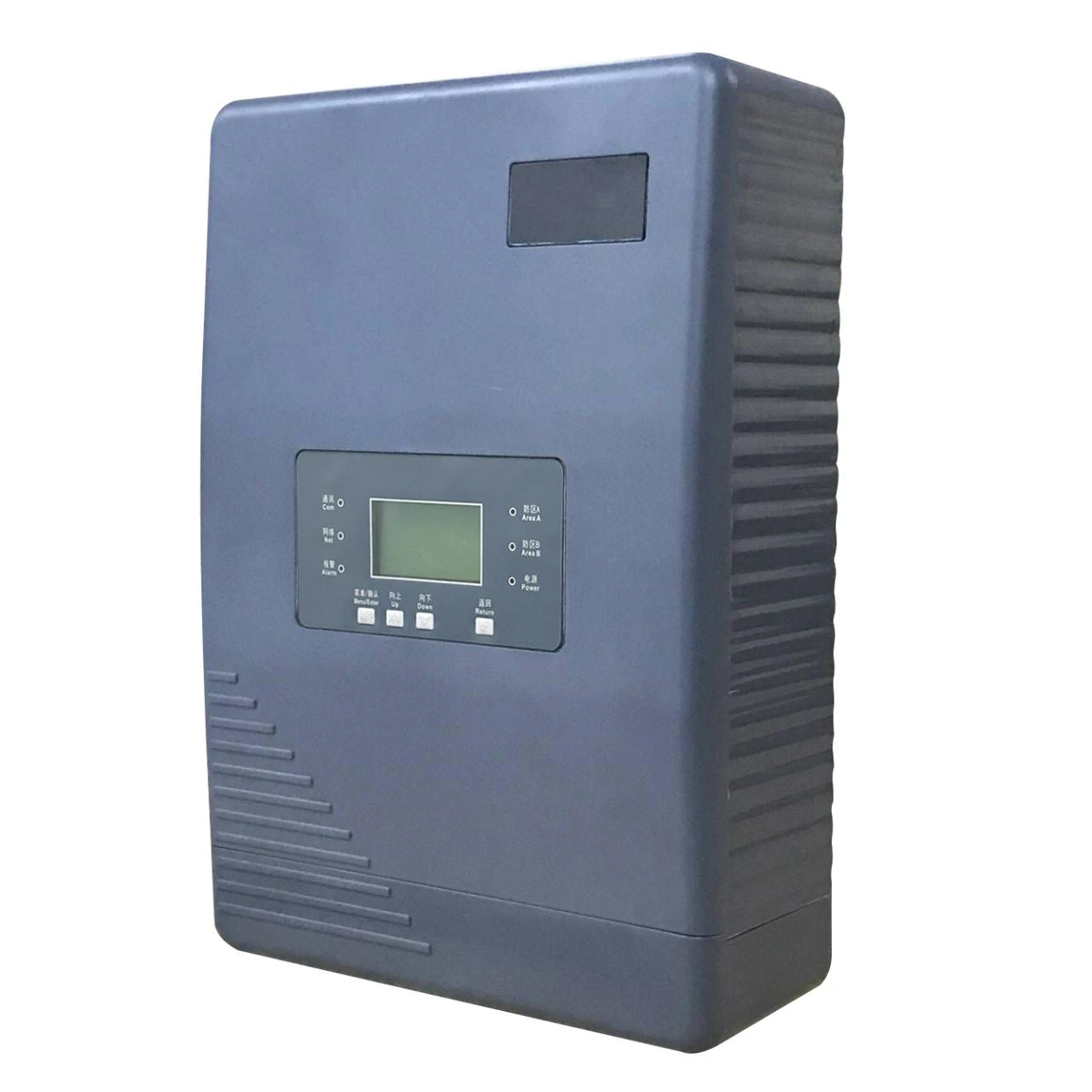
Electric fence energizer system
Fence detection · X3 / X5 / X6 series
5,000–10,000 V bi-polar pulse, one pulse per second, ≤2.5 J.
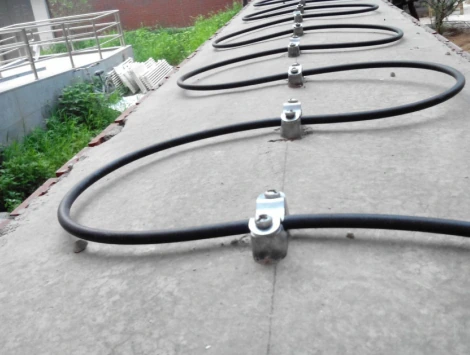
Vibration fibre
Covert detection · 1/2-zone collector · 4/8/16-channel chassis · locating unit
A sensing cable that hears climbing, cutting and digging along the whole run.
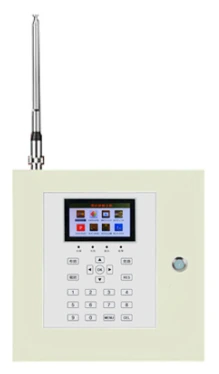
Electric fence alarm & control
Electric fence alarm · K7 / K9 / K10 hosts · touch terminal · management software
Arm, map and verify every electric fence zone from one interface.
Specify this system for your perimeter
Send the perimeter length, fence or wall type and the response requirement. We will return a zone plan and a configuration.