
NB-IoT wireless alarm
A perimeter where trenching is impossible or the power is not there.
- Series / models
- Solar infrared barrier + Y8 wireless host
- Detection
- Active infrared beams, wireless host
- Typical range
- 60–300 m depending on beams
- Control
- NB-IoT / app / cloud
NB-IoT wireless alarm
| Beams | 2–3 |
|---|---|
| Range | 60–300 m |
| Power | Solar + battery |
| Uplink | NB-IoT |
A perimeter where trenching is impossible or the power is not there.
Solar barrier
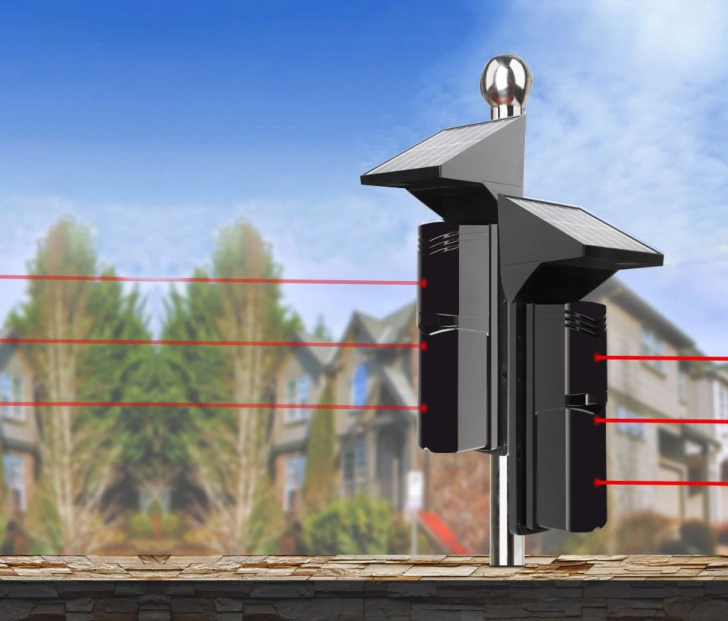
The barrier integrates a solar panel and battery, so no power cable is needed along the fence.
Wireless backhaul
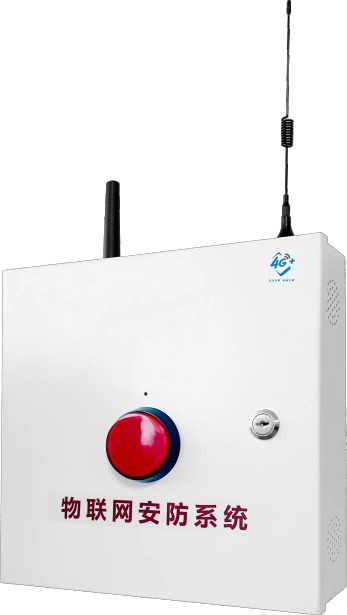
The Y8 host accepts wireless barrier events and reports to the cloud platform or app, with NB-IoT coverage determining the uplink.
Two or three beams
The barrier uses two or three infrared beams, with 60–100 m range for two beams and 50–300 m for three.
Fast detection
A response speed of 35–700 m/s and a 200 mA/pair working current keep the barrier responsive while conserving battery.
Remote management
Register the host on the cloud platform, add devices and manage arm/disarm from the app; the catalog describes phone-number registration for the platform.
From principle to site
Values are typical manufacturer data. Site conditions, power supply and configuration can change the final specification.
When wireless is the honest choice
Wireless makes sense when the cost of trenching and power exceeds the cost of the sensor, or when the boundary is temporary. A farm gate, a construction compound, a remote pump station or a leased yard can be protected in a day without civil works. It is not a substitute for a wired system on a critical site with a permanent guard force.
NB-IoT coverage is the first survey item. Check the signal at the actual mounting height and season, not only at the gate. A site that shows four bars on a phone may still have poor uplink at a metal fence line; test the host in place before committing to the layout.
Battery, sunlight and maintenance
Size the solar panel for the worst month, not the best. Dust, shading from vegetation and low winter sun all reduce charging. Mount the panel facing the equator and above the fence line, and schedule a monthly visual check of the panel and the battery status in the app.
Wireless alarms are easy to install and easy to forget. Put the host on a maintenance list with a quarterly walk test at each barrier, a battery check and a firmware/platform check. A barrier that has been offline for a month looks identical to a quiet perimeter on the dashboard.
Technical specifications
Values are typical manufacturer data. Site conditions, power supply and configuration can change the final specification.
| Barrier beams | 2 or 3 |
|---|---|
| Barrier range | 2 beams 60–100 m; 3 beams 50–300 m |
| Response speed | 35–700 m/s |
| Working current | 200 mA per pair |
| Barrier power | DC9–12 V |
| Operating temperature | −20 °C to +55 °C |
| Humidity | ≤ 95% RH, non-condensing |
| Protection | IP65 |
| Alarm output | NO/NC selectable |
| Uplink | NB-IoT cellular, coverage dependent |
| Host inputs | Wireless barrier events; app / cloud management |
Where this system is usually specified
Farms, ranches & orchards
Contain the herd, protect the crop, and keep the power bill at zero.
View detailsElectric fence for warehouses & factories
Long perimeters, vehicle yards and the places a fence quietly stops working.
View detailsPower & water utilities
Unattended sites where the alarm must be true the first time.
View detailsBuyer questions
Does it need a SIM card and a subscription?
NB-IoT devices use a cellular data connection, so a SIM or eSIM and a data plan are required. The plan and coverage are site-specific; confirm them with the local carrier before specifying the system.
How many barriers can one host manage?
The host is designed for wireless barrier events and app/cloud management; the exact number depends on the host model and the wireless protocol. Confirm the input count against the site layout rather than assuming one host covers the whole perimeter.
What happens when the mobile network is down?
The barrier still detects and the host still records locally, but the remote notification is delayed until the uplink returns. For a site that cannot accept that gap, add a local sounder or a wired layer with a local alarm.
Can the solar barrier work in winter?
The barrier is rated to −20 °C and the panel charges whenever there is light. Winter performance depends on panel angle, snow cover and battery age. Clean the panel after snow and check the app’s battery status weekly during the cold season.
Systems that work alongside it
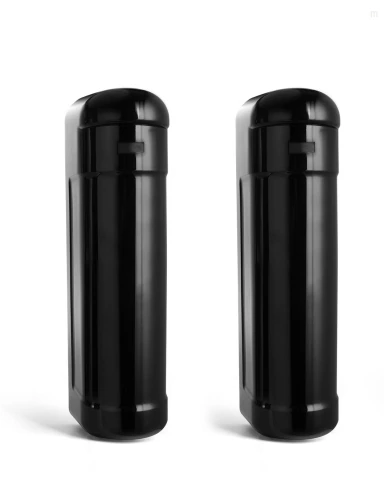
Infrared barrier
Beam detection · 2 / 3 / 4-beam active infrared
The economical beam layer for short and medium spans.
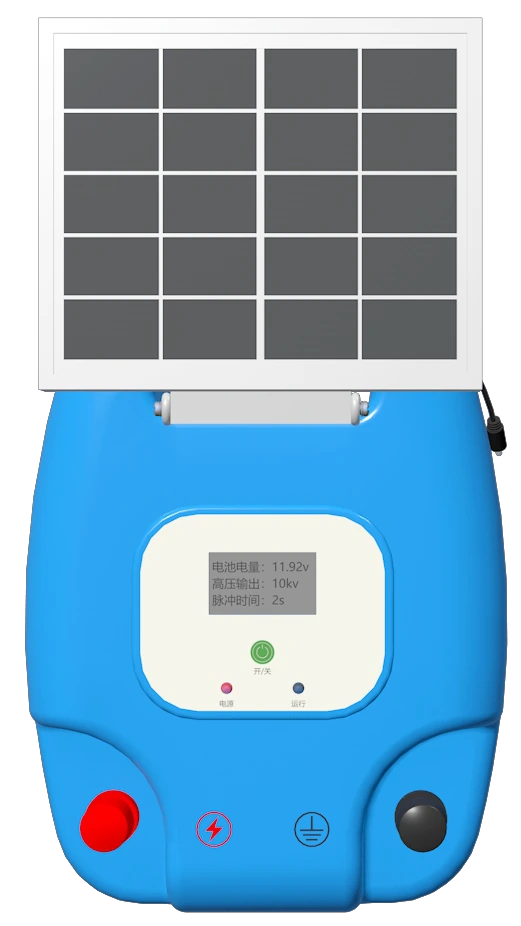
Livestock electric fence
Agricultural · P3 / P4 / P5 / P6 energizers + solar unit
A contained herd, a protected crop, and a fence that works without mains power.
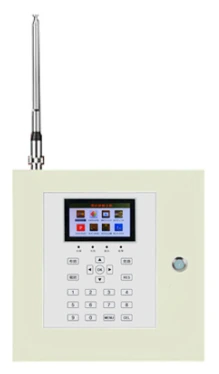
Electric fence alarm & control
Electric fence alarm · K7 / K9 / K10 hosts · touch terminal · management software
Arm, map and verify every electric fence zone from one interface.
Specify this system for your perimeter
Send the perimeter length, fence or wall type and the response requirement. We will return a zone plan and a configuration.