
Logistics park, 2.4 km boundary
A 2.4 km boundary with stacked containers, two vehicle gates and a dark rear lane. The reference configuration divides the line into 11 response zones, uses 14 pulse energizers and buried cable where containers block the wall, targets under one false alarm per zone per month, and is installed in about six weeks.
- Perimeter
- 2.4 km masonry wall + mesh returns
- Layers
- Pulse fence + buried cable + fibre
- Control
- K9 host + platform map
Site condition and constraints
| Perimeter | 2.4 km masonry wall + mesh returns |
|---|---|
| Layers | Pulse fence + buried cable + fibre |
| Control | K9 host + platform map |
The site is a 2.4 km logistics park with a masonry perimeter wall, two vehicle gates and a rear service lane used at night. Containers are stacked against several wall sections, and a drainage culvert crosses the south boundary.
The operator’s requirement was not “detect everything” but “send the night guard to the right place”. The reference design therefore starts from the patrol routes and the camera presets, then fills in the detection layers.
Layers and zones
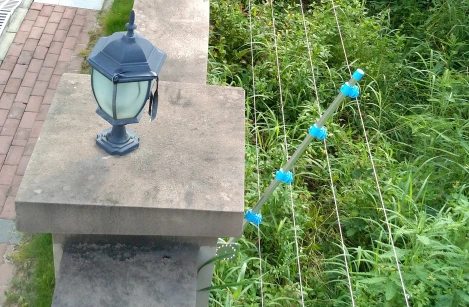
Wall sections — pulse fence
Six-wire pulse fence on the wall, divided into 90–140 m zones. Hosts are inside the yard, with the high-voltage lead in its own conduit. Warning signs face the public road at 10 m intervals.
Container stacks — buried cable
Where containers block the wall, the detection line moves inward to a clear lane: two leakage cables at 1 m spacing, 5 cm deep, covering 100 m per set. The wall remains a physical barrier; the buried cable covers the gap the containers create.
Rear lane — vibration fibre
A 700 m rear lane with no power is covered by vibration fibre on the fence fabric, with a locating processor reporting position to ±5 m. The fibre is passive at the fence, which removed the need for six power drops along the lane.
What the configuration achieves
- Eleven zones, each named for a gate, building or lane, so the guard receives a place name rather than a zone number.
- Three detection principles cover the wall, the container gaps and the unpowered rear lane without pretending one sensor does everything.
- All layers report to one K9 host and a platform map, with camera presets tied to the zone numbers.
What to watch during installation
- Do not mount a fence sensor behind a container stack. Move the detection line to where a person would actually walk.
- Keep the pulse high-voltage lead away from the fibre lead-in; a shared duct makes fault-finding ambiguous.
- Name zones with the site’s vocabulary and print the names on the map before commissioning.
Systems in this configuration
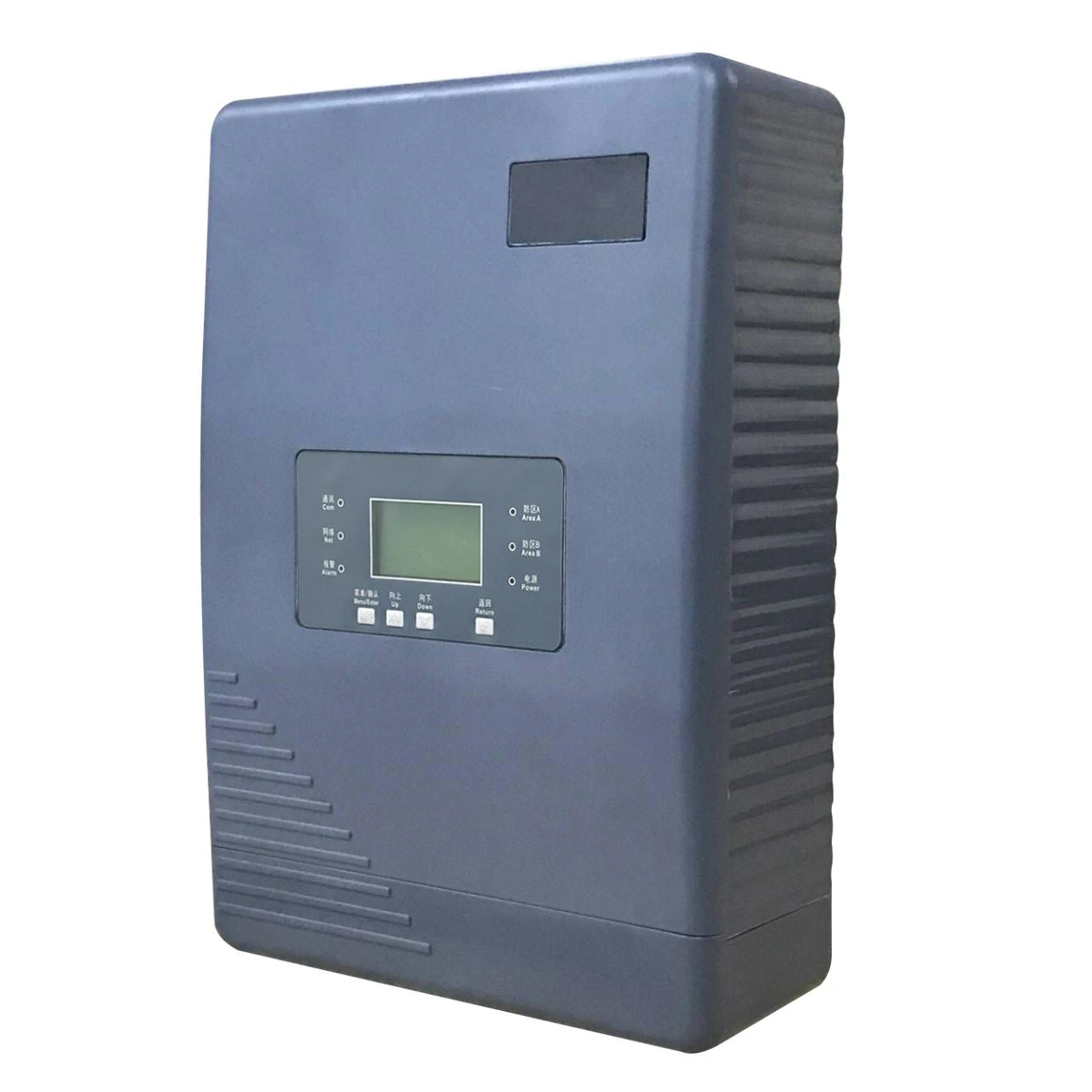
Electric fence energizer system
Fence detection · X3 / X5 / X6 series
5,000–10,000 V bi-polar pulse, one pulse per second, ≤2.5 J.
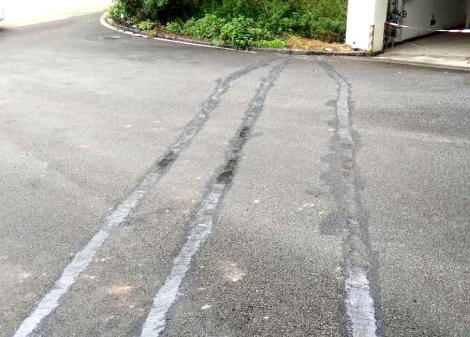
Buried leakage cable
Covert detection · Leakage cable detector set
A detection line you cannot see, following the ground you already have.
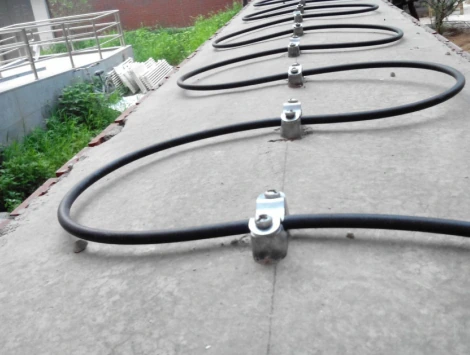
Vibration fibre
Covert detection · 1/2-zone collector · 4/8/16-channel chassis · locating unit
A sensing cable that hears climbing, cutting and digging along the whole run.
Adapt this pattern to your site
Tell us where it differs — length, wall type, soil, power or response model — and we will adjust the layers.