
Orchard and ranch, 6.2 km
A 6.2 km orchard and cattle ranch with no mains power along most of the boundary. The reference configuration uses one P6 energizer for the herd, two solar wireless barrier pairs at the equipment gates, a two-day installation and a target of under one false alarm per gate per month.
- Perimeter
- 6.2 km wire fence + two remote gates
- Layers
- Livestock energizer + solar wireless
- Control
- Local + NB-IoT app
Site condition and constraints
| Perimeter | 6.2 km wire fence + two remote gates |
|---|---|
| Layers | Livestock energizer + solar wireless |
| Control | Local + NB-IoT app |
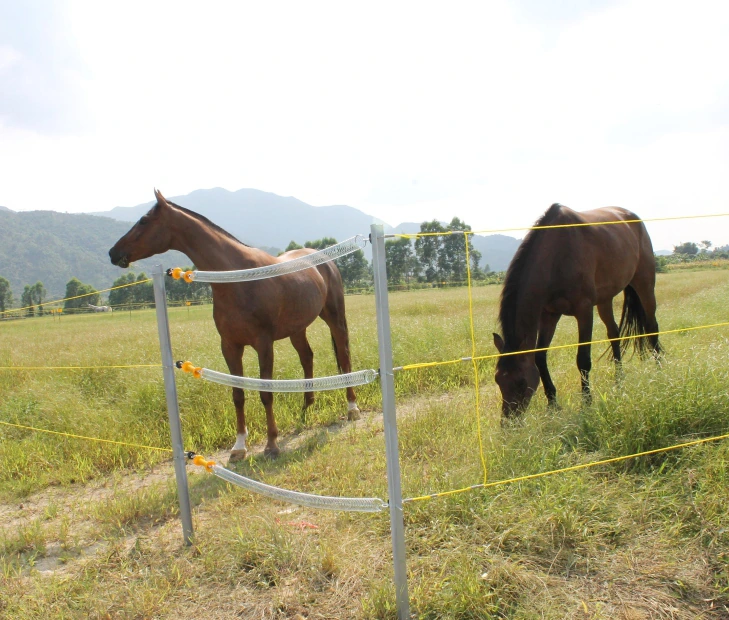
The ranch boundary is 6.2 km of wire fence, with two equipment gates and a shed used for feed and tools. The owner’s first concern is keeping cattle in; the second is keeping tools from walking away.
There is no mains power beyond the farmhouse. Trenching to the gates would cost more than the detection hardware, and the soil is rocky.
Layers and zones
Herd containment — P6 energizer
A P6 energizer with 8/10/12 kV selection and 1.5 J output drives the main fence, with three earth rods in damp soil. The bottom wire is kept clear and the far-end voltage is tested monthly.
Equipment gates — solar wireless
Solar infrared barriers at the two gates, paired with a Y8 host and NB-IoT uplink. The panels are sized for winter sun and mounted above the fence line to avoid shading.
Shed — local alarm
A local sounder and a second barrier pair cover the shed door. The app reports arm/disarm state, and the owner checks battery status weekly during the cold season.
What the configuration achieves
- The herd boundary and the equipment gates are protected without trenching or a mains supply.
- The energizer and the wireless barriers have separate maintenance routines, which match how the ranch actually works.
- The owner receives gate alarms on a phone, while the cattle fence remains a purely local, visible deterrent.
What to watch during installation
- Size the energizer from total wire length, including every wire in a multi-wire fence.
- Test NB-IoT coverage at the gate, not at the farmhouse; metal gates and trees change the result.
- Keep grass off the bottom wire; vegetation is the most common reason a working fence stops working.
Systems in this configuration
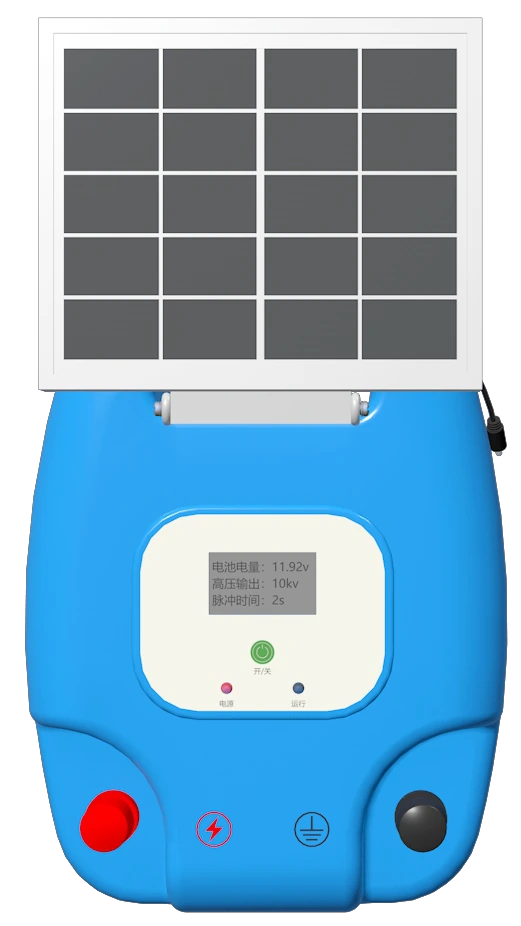
Livestock electric fence
Agricultural · P3 / P4 / P5 / P6 energizers + solar unit
A contained herd, a protected crop, and a fence that works without mains power.
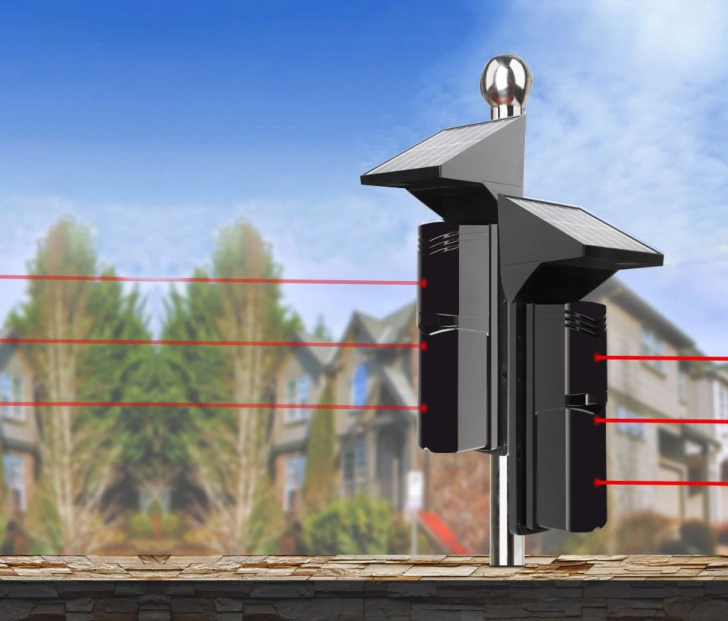
NB-IoT wireless alarm
Wireless · Solar infrared barrier + Y8 wireless host
A perimeter where trenching is impossible or the power is not there.
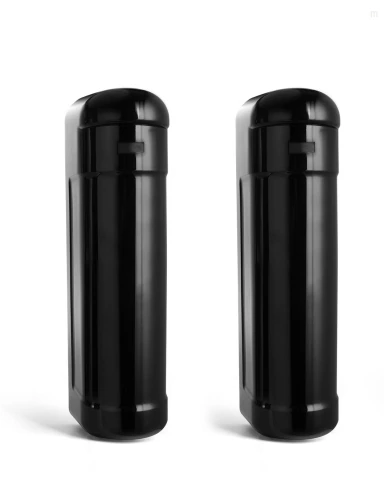
Infrared barrier
Beam detection · 2 / 3 / 4-beam active infrared
The economical beam layer for short and medium spans.
Adapt this pattern to your site
Tell us where it differs — length, wall type, soil, power or response model — and we will adjust the layers.